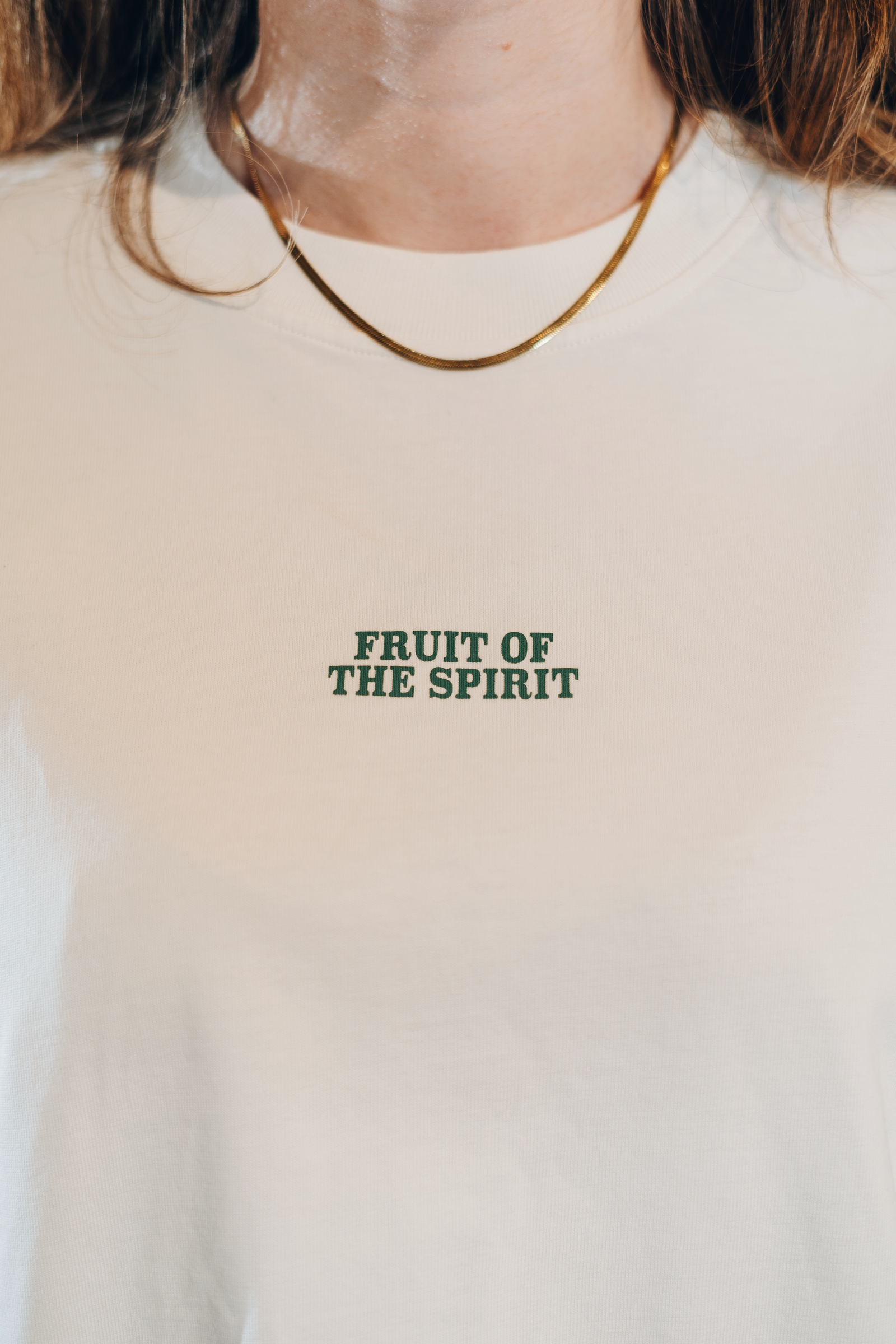
Organic cotton is the better choice on most counts: no synthetic pesticides, no genetically modified seed, more care for the soil and – with a GOTS certificate – verified processing right through to the finished garment. When it comes to water, though, where the cotton grows matters more than how it is farmed. That is why, at Good-Natured, organic cotton is the starting point, not the end of the story.
This comparison shows where the difference between organic and conventional cotton really lies, how to read the water figures that get quoted so often – and what matters most for a single shirt in the end.
• Pesticides: Synthetic pesticides are not allowed in organic farming – the clearest advantage.
• Seed: No genetically modified seed, crop rotation instead of monoculture.
• Processing: GOTS also checks dyeing, finishing and social minimum standards along the chain.
• Water: Whether cotton needs a lot of water depends mainly on rainfall versus irrigation.
• Biggest lever: How long a garment is worn – material, fabric weight and workmanship belong together.
“A good argument doesn't need an exaggerated number.”
Is organic cotton really better than conventional cotton?
Yes – above all on pesticides, seed, soil health and, where certified, verified processing. These advantages are well documented and benefit first the people working in the fields, then the soil and water nearby. On water use, the difference is less clear-cut than advertising often claims.
Where the difference is clear
Pesticides and insecticides. The clearest point. Synthetic crop protection products are not permitted in organic farming. That protects the health of farm workers and takes pressure off soil and groundwater.
Seed. No genetically modified seed. This is mainly about independence: organic farming works with seed that can be saved and replanted rather than bought new every year.
Soil. Crop rotation and organic fertiliser instead of monoculture. The effect is slow but long-term – healthy soil holds more water and stays fertile for years.
Chemicals in processing. Here it is not the farming but the certificate that makes the difference: GOTS sets lists of banned substances for dyeing and finishing. For the finished garment, that is often just as important as what happens in the field. What GOTS, OEKO-TEX, Fairtrade and GRS each check is explained in our comparison of textile labels.

Does organic cotton need less water?
Not across the board. What matters is where the cotton grows: rain-fed fields need hardly any extra water, while irrigated fields in dry regions need a great deal – regardless of whether they are farmed organically or conventionally. The claim that “organic cotton saves dramatic amounts of water” doesn't hold up as stated.
To make sense of a litres-per-T-shirt figure, it helps to look at how water footprints are calculated. They consist of three parts:
Green water. Rain that falls on the field anyway and is taken up by the plant. For cotton, this is usually a large share.
Blue water. Water added from rivers, lakes and groundwater – in other words, irrigation. This is the share that competes with drinking water and local agriculture.
Grey water. The theoretical amount needed to dilute pollutants enough to meet limit values. Not water actually used up, but a measure of pollution – and exactly where organic farming without synthetic pesticides scores.
Add all three and you get a big number. Look only at blue water and you get a much smaller, more meaningful one. A litre figure without this breakdown therefore tells you little. How to spot figures like this and other vague promises is covered in How to spot greenwashing.
Where the difference is smaller than often claimed
Yield. Organic farming usually produces less per hectare. That is one reason organic cotton costs more to buy.
How it feels. The farming method alone says nothing about yarn quality, fabric weight or workmanship. A good shirt only comes about when everything comes together.

The King of my Heart Oversized T-Shirt is made from GOTS-certified organic cotton in Portugal, with embroidery on the chest and a back print – 38 €.
View the shirt ↗What organic cotton means at Good-Natured
At Good-Natured, material, certification and country of manufacture are listed on the product pages. A large part of our T-shirts, hoodies and knitwear is made from organic cotton in Portugal; at Good-Natured we place great value on producing in Europe. All our suppliers are members of the Fair Wear Foundation.
Cotton is the basis of our socks too: many styles, such as the Cross socks (12 €), are 80% cotton (GOTS), 17% polyamide and 3% elastane, and are knitted in Saxony, Germany.
Instead of a water figure we couldn't reliably back up for a single product, we show how the price breaks down. Take the Creation Knitwear Half-Zip: of €57.14 net, €26.76 goes into fair production – almost half. Why that number says more than a litre figure is explained in Why fair fashion costs more.
What matters most in the end
The most important number is how often a garment is worn. A shirt worn three times and then discarded will almost always come off worse in a life-cycle assessment than one that lasts five years – whatever cotton it is made from. The best combination is therefore certified organic cotton plus a solid fabric weight plus good workmanship. How long a good shirt lasts and how to care for it is covered in How long does a T-shirt really last?
Conclusion
The difference between organic and conventional cotton lies in pesticides, seed, soil and verified processing – not in a spectacular water figure. What you can check is certificate, origin and quality. At Good-Natured you'll find all three on the product, and if you then wear your favourite piece for a long time, you're using the biggest lever of all.
Frequently asked questions
How can I tell whether a shirt is really made from organic cotton?
Most reliably by a GOTS certificate with a certificate or licence number and the name of the certification body. Terms like “eco cotton” or “natural materials” without a label are not a verified claim.
Is organic cotton softer than conventional cotton?
Not automatically. How soft a fabric feels depends on fibre length, yarn, knit and finishing. A difference is more likely to come from GOTS ruling out certain chemicals in finishing.
Why do socks contain polyamide and elastane if the cotton is organic?
Pure cotton quickly stretches out at the heel and cuff. A small share of polyamide makes socks more durable, and elastane keeps them in place – both extend their life.
Do I need to wash organic cotton differently?
No, but gentle care pays off: turn inside out, 30 degrees, no tumble dryer. How to keep prints and embroidery looking good is explained in How to wash a printed shirt.

Material, certificate, country of manufacture and the price breakdown are listed across our Christian clothing.
View the collection ↗