Greenwashing rarely shows itself through false claims – it shows itself through vague ones. Phrases like “sustainably produced”, “environmentally conscious” or “climate neutral” sound good but claim nothing you can check. The simplest defence is a single question: “How could I verify that?” At Good-Natured we try to answer that very question on the product itself.
Here are ten phrases you'll find in almost every online shop, each with the counter-question that unpicks it – and what the law has said since September 2026.
• The pattern: Greenwashing usually relies on adjectives rather than verifiable facts.
• The counter-question: According to which standard, in which factory, with which figure?
• The law: Since 27 September 2026, generic environmental claims like “eco-friendly” are not allowed without proof.
• Good signs: A certificate with a number, the country of manufacture on the product, a disclosed price breakdown.
“Most sustainability promises aren't lies. They're worded so that they can't be wrong.”
Which phrases point to greenwashing?
1. “Sustainably produced.” Not a protected term, no definition. Counter-question: according to which standard?
2. “Selected partners.” Every factory is selected. Counter-question: in which country, and is it certified?
3. “Environmentally conscious.” Describes an attitude, not a measure. Counter-question: how would you notice it on the product?
4. “Made from natural materials.” Cotton is natural, even when conventionally grown. Counter-question: certified – and if so, how?
5. “Climate neutral.” Usually means emissions were offset on paper, not avoided. Counter-question: how much was reduced, how much offset?
6. “Fairly made.” Without a certificate or membership, it's a self-assessment. Counter-question: checked by whom?
7. “Eco cotton.” Sounds like a label, isn't one. Counter-question: GOTS or not? What GOTS checks exactly is explained in our textile label comparison.
8. “We support social projects.” Vague without a share and a recipient. Counter-question: what share, to whom?
9. “Recycled packaging.” Usually concerns the smallest item on the balance sheet. Counter-question: and the product itself?
10. “Lovingly made.” Says nothing about conditions, but sounds as if it does. Counter-question: by whom, where?

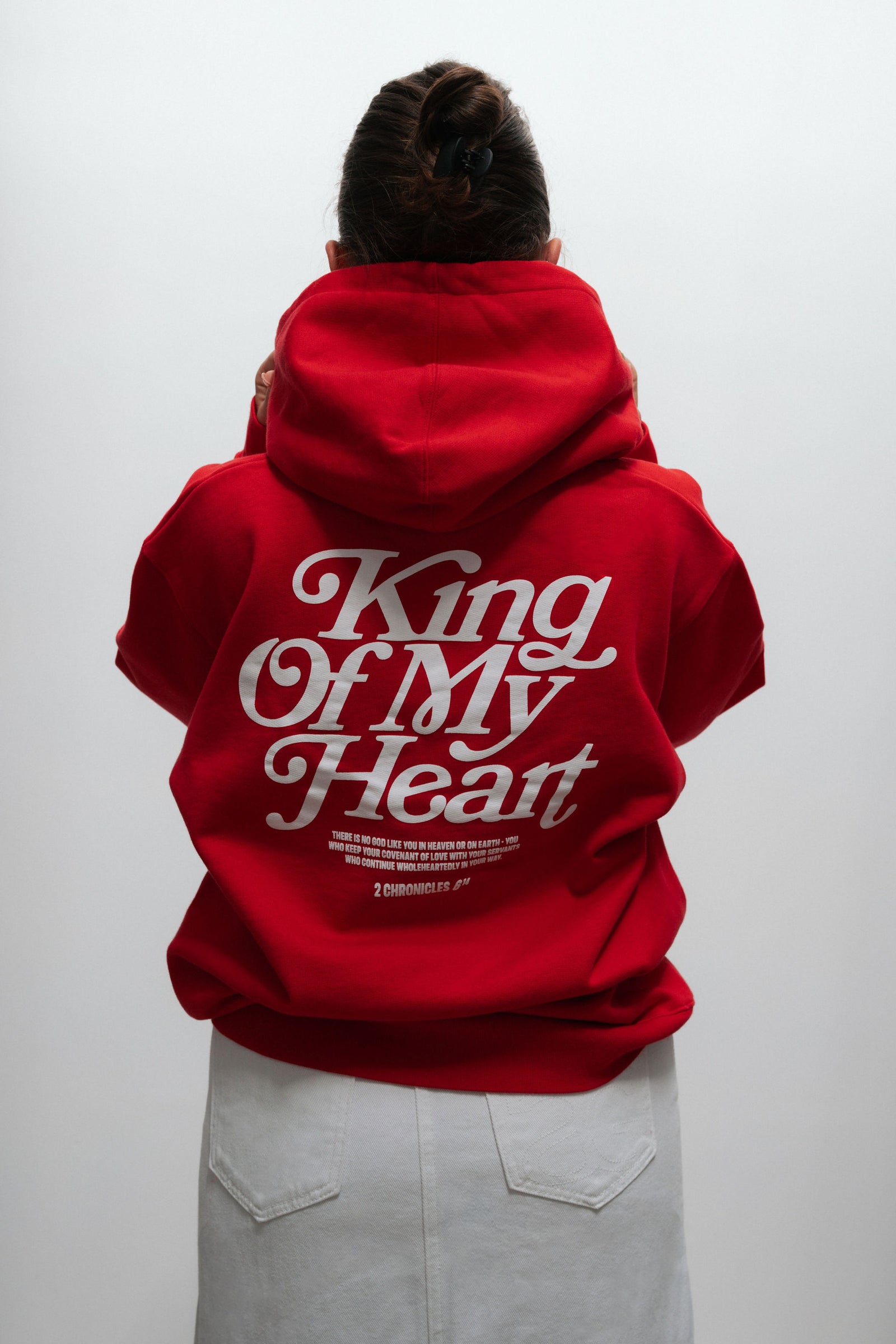
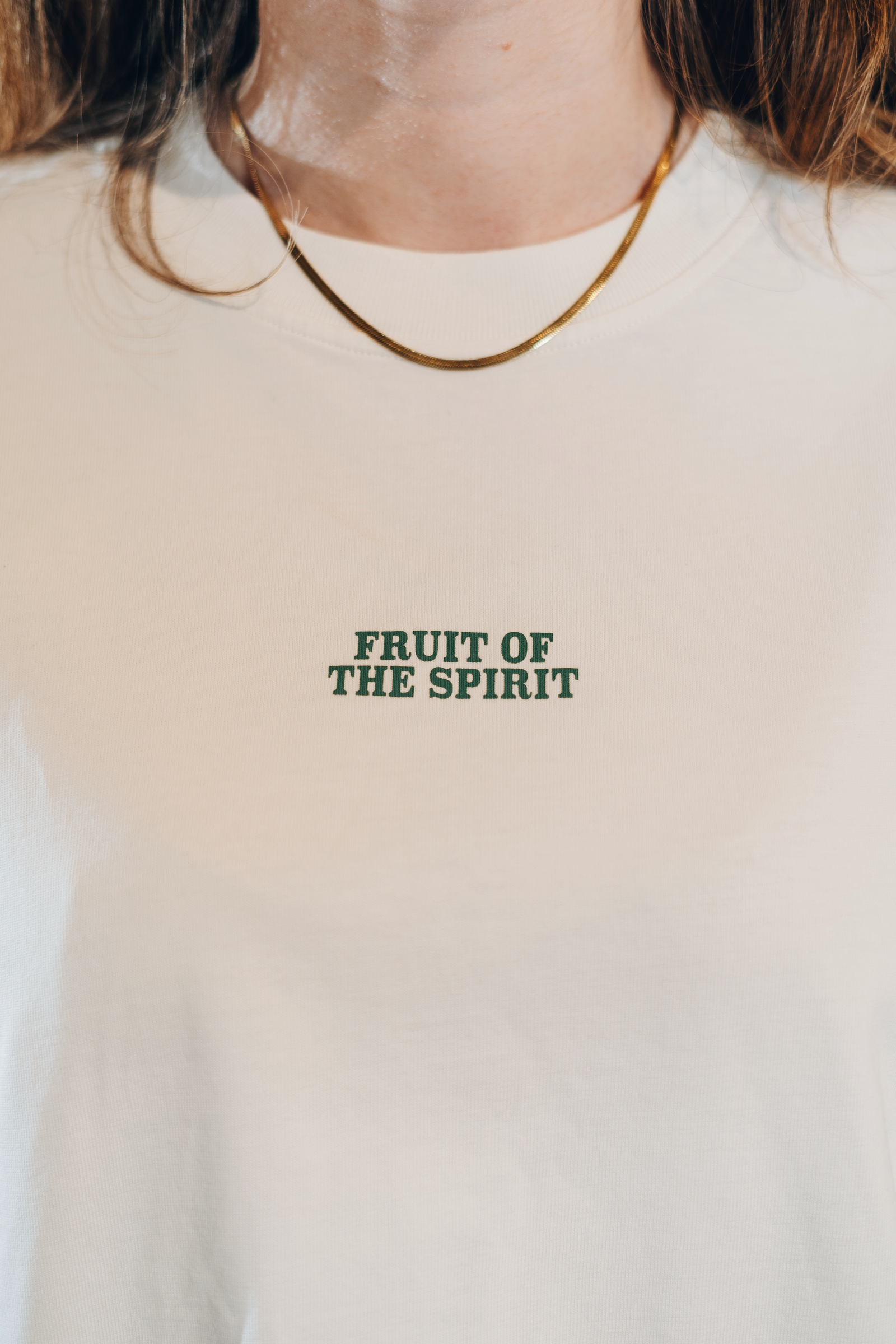
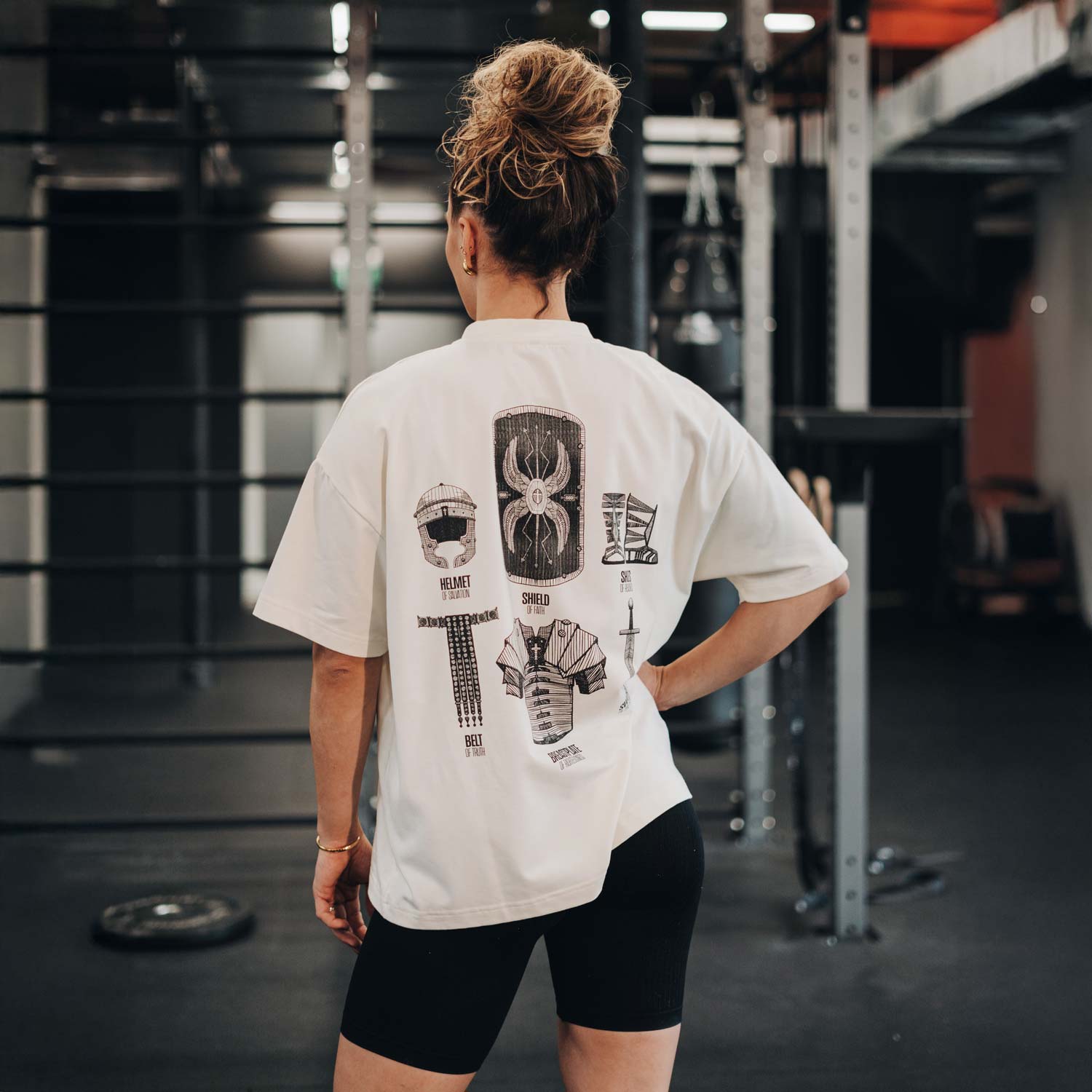
For the King of my Heart Oversized T-Shirt (38 €), the material, GOTS certificate number, country of manufacture (Portugal) and price breakdown are all on the product page.
View the shirt ↗The three patterns behind it
Making the smallest detail big. The packaging is recycled, the product isn't. Both are true, but they don't matter equally.
Selling a legal requirement as an achievement. “Free from banned chemicals” isn't an achievement, it's the minimum.
Quoting a number without context. “90 per cent less water” – compared with what, measured how? How to read water figures for cotton is explained in our comparison of organic and conventional cotton.
What has applied to greenwashing since September 2026?
EU Directive 2024/825 (“Empowering Consumers”, EmpCo for short) has been transposed in Germany through the Act against Unfair Competition (UWG) and has applied since 27 September 2026. Three points matter most for clothing:
Generic environmental claims. Terms like “eco-friendly”, “green” or “climate-friendly” are not allowed without recognised proof.
Offsetting. Claiming a product is climate neutral is not allowed if it rests solely on offsetting emissions.
Self-made labels. Sustainability labels must be based on a certification scheme or set by public authorities. Home-made “eco” logos no longer suffice.
Not every brand without a label is dishonest. Certification costs money that small businesses sometimes don't have. The difference is whether they give concrete details instead – factory, country, material – or rely on adjectives.
How Good-Natured answers the counter-questions
We hold ourselves to the same questions. At Good-Natured we place great value on producing in Europe: a large part of our clothing is made in Portugal, our socks are knitted in Saxony, Germany, and posters and cards are printed in Germany. All our suppliers are members of the Fair Wear Foundation. 10% of our profit goes to aid projects, and with every order we protect one square metre of rainforest in Peru through Wilderness International.
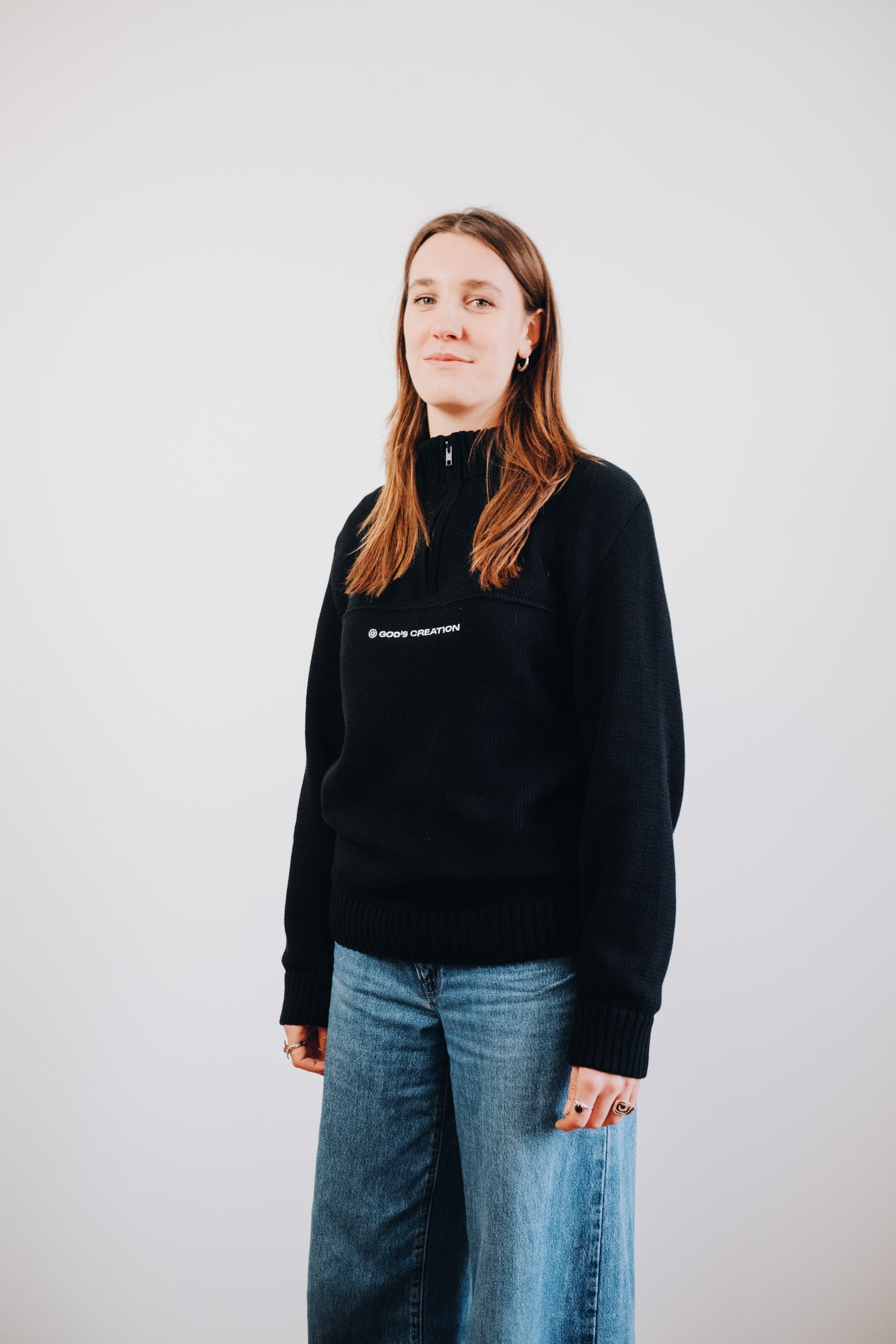
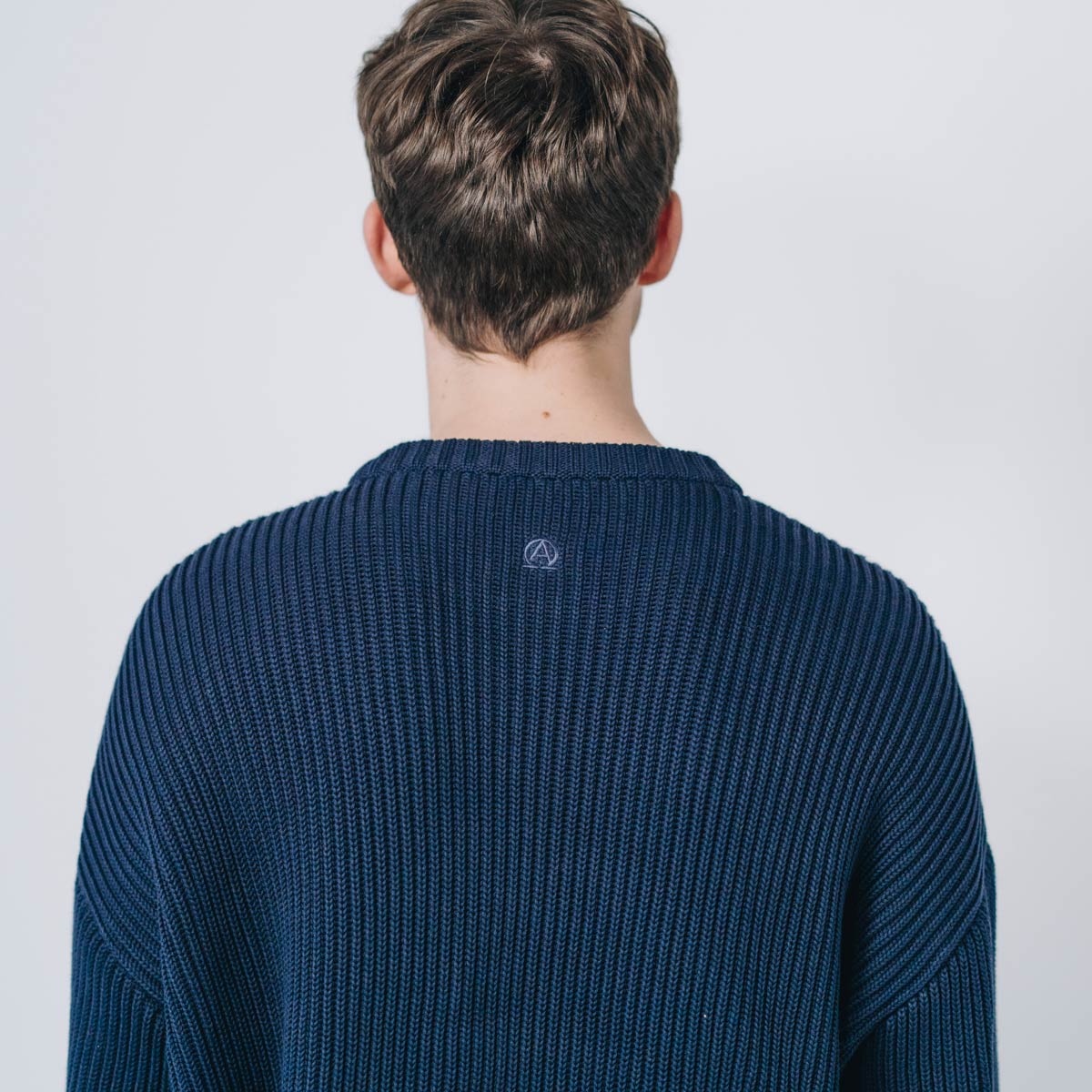
And on every product page, the section “What makes up the price?” shows how the price breaks down. For the Creation Knitwear Half-Zip, for example, €26.76 of €57.14 net goes into fair production – almost half. More in Why fair fashion costs more.
Conclusion
Greenwashing isn't recognised by false statements but by vague ones. Ask the same counter-question of all ten phrases – “how would I verify that?” – and you'll sort most shops in under a minute. Eight more questions for your next purchase are in Fair fashion: 8 questions to ask any brand. At Good-Natured you'll find the answers on our Christian clothing – piece by piece.
Frequently asked questions
Has “climate neutral” been banned since 2026?
Not entirely. The claim is not allowed if it rests solely on offsetting. Anyone who genuinely avoids emissions and can prove it may talk about it – but concretely and verifiably.
Is “recycled polyester” greenwashing?
Not if it is true and backed up – for example by the Global Recycled Standard (GRS). It stays honest as long as it's clear that recycled polyester is still a plastic and can shed fibres in the wash.
Where can I report greenwashing?
In Germany, to the consumer advice centres (Verbraucherzentralen). Trade associations and competitors can also take action against misleading environmental claims.

Eight questions you can answer in two minutes – to take into any online shop.
Read the article ↗