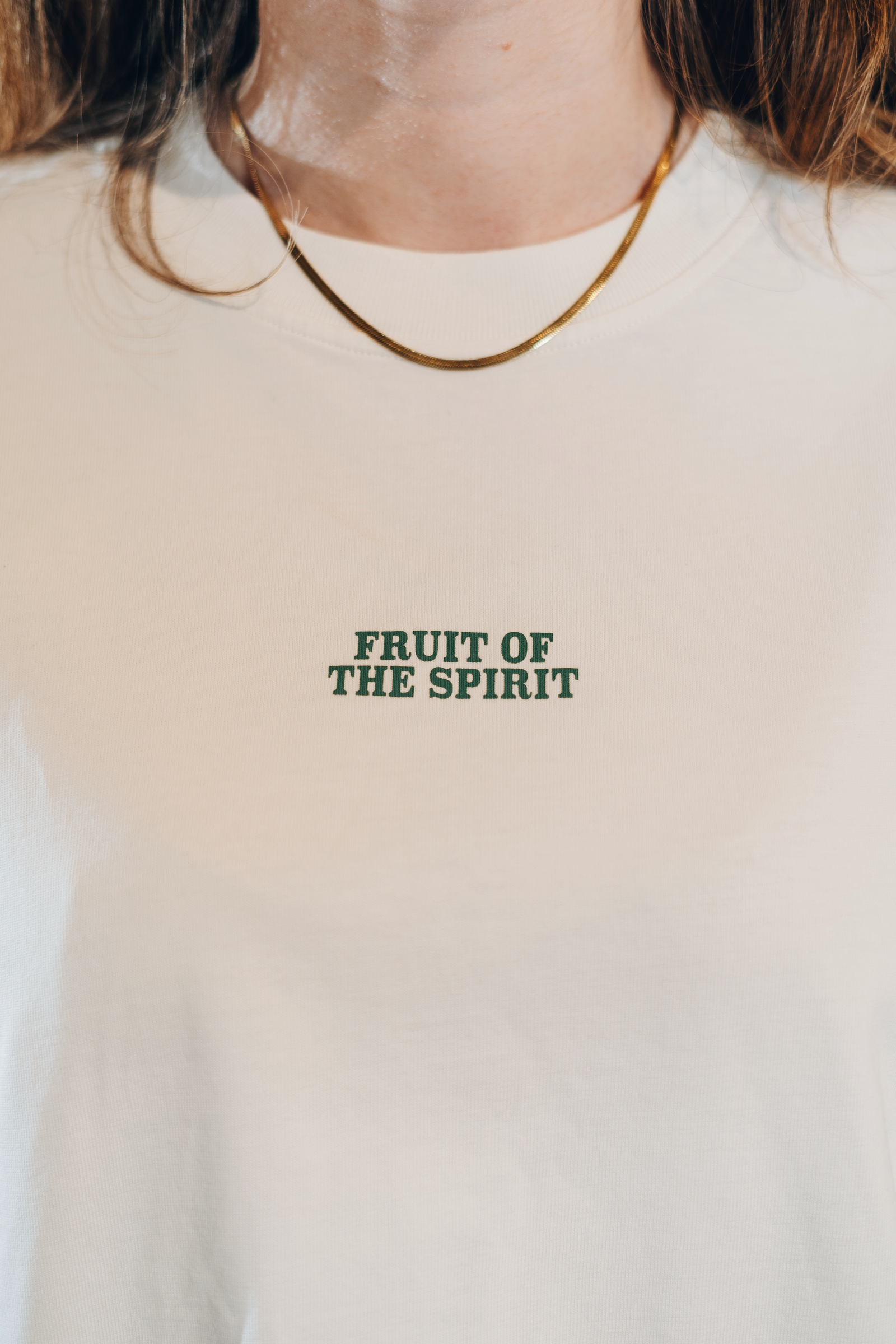
Fair fashion costs more because fair wages, good materials, smaller runs and regular checks in production cost more. Storage, shipping and marketing cost a fair brand roughly the same as any other. The price difference comes almost entirely from the place where a garment is sewn or knitted.
That is why at Good-Natured we show how the price breaks down on every product page. This article walks through each item: where the money goes, where the gap to cheap clothing actually comes from, and how you can tell whether a higher price is worth it for you.
• Largest share: Fair production. For the Creation Knitwear Half-Zip it is €26.76 of €57.14 net, almost half.
• Open calculation: Every product page shows the breakdown for that exact item in the section "What makes up the price?".
• Origin: A large part of our clothing is made in Portugal, and our socks are knitted in Saxony, Germany.
• Suppliers: All our suppliers are members of the Fair Wear Foundation.
• Giving back: 10% of our profit goes to aid projects, plus 1 m² of rainforest protected per order.
"A text about values doesn't answer the price question. A calculation does."
1. Why is fair fashion more expensive than fast fashion?
A five-euro shirt and a thirty-five-euro shirt often look the same in a photo. You only see the difference once you take the price apart. Logistics, marketing and VAT apply to every brand, no matter how it produces. Anyone who wants to push the price down radically can only save in one place: production, which means people, materials and oversight.
At Good-Natured we place great importance on producing in Europe. A large part of our clothing is made in Portugal, close enough for us to visit regularly. You'll find every piece from Portugal in our Made in Portugal collection. Why we chose this path is explained in why a large part of our clothing is made in Portugal.
2. What makes up the price of a shirt?
On every product page, below the buy button, there is an expandable section called "What makes up the price?". It shows the figures for that specific item, not a sample calculation, based on the actual purchase price. The items:
Fair production. What sewing or knitting, fabric and finishing cost. This is the item the whole discussion is really about, and for our pieces it is the largest.
Design process. We design every motif digitally and then refine it with the factory over several sampling rounds until fit, embroidery and fabric are right. You can see how that works in how a shirt is made: draft, sample, final touches.
Logistics. Storage, fees, shipping share and packaging. We ship without plastic, in biodegradable mailer bags with paper inserts.
Marketing. Photo shoots, campaigns and work with creators.
Donation. 10% of our profit goes to aid projects, and for every order we protect one square metre of rainforest through Wilderness International. The product page shows the share that falls on each individual item. We are also open about who we donate to and why we give from profit.
Contribution margin and VAT. The contribution margin pays for salaries, rent and software. The 19% VAT goes entirely to the state.
3. An example you can check yourself
The Creation Knitwear Half-Zip costs 68 €. Without VAT that is €57.14. Of this, €26.76 goes into fair production in Portugal, almost half of the net price. The rest is split between design, logistics, marketing, donation and contribution margin.
The Easy Yoke T-Shirt Black at 38 € looks similar: of €31.93 net, €15.70 goes into production. The shirt is made from 100% organic cotton in Portugal and has a fabric appliqué with embroidery on the front.

The Easy Yoke T-Shirt Black in organic cotton, made in Portugal. Below the buy button you can see how its price of 38 € breaks down.
View the shirt ↗4. Four cost drivers in production
Wages. Wages in textile production can differ between countries by multiples, not percentages. Fair conditions feed directly into the purchase price. When a shirt is very cheap, this item is almost always the reason.
Run size. Mass production counts in tens of thousands. We deliberately order smaller quantities. Setup, cutting and samples are spread over fewer pieces, but very little goes unsold. Regular returns are refurbished and sold again as normal.
Materials. Our organic cotton is GOTS-certified and our recycled polyester is GRS-certified. These fibres cost more than conventional ones. Fabric weight matters too: with the same cut, a 220 g/m² shirt contains about 37% more fabric than a 160 g/m² one.
Oversight. All our suppliers are members of the Fair Wear Foundation. On top of that come visits on site and time for coordination. None of this appears on a materials list, yet it still costs money. Our socks are knitted in Saxony, Germany, and posters and cards are printed in Germany; short distances make that closeness easier.
• Sale prices: The breakdown refers to the regular price. When an item is reduced, production costs stay the same; VAT and contribution margin shrink.
• Comparison prices: What the same item would cost under different conditions cannot be stated reliably. So we only show our own calculation.
5. Is more expensive clothing worth it in the long run?
Yes, if it really gets worn for longer. A ten-euro shirt that loses its shape after a year gets bought three times in three years. A shirt at 38 € that you happily wear for those three years costs barely more in the end, and there's one piece in your wardrobe instead of three.
The maths only works with a piece that survives the wash. Fabric weight, workmanship and proper care decide that. How long a good shirt lasts and what you can do yourself is covered in how long does a T-shirt really last?
6. How can you tell whether a high price is justified?
A high price on its own says nothing about production. What matters is what is stated on the individual product: country of manufacture, certified materials, and whether the brand explains where the money goes. The more specific this information, the better you can judge what you are paying for. More criteria for good pieces are collected in Christian clothing: 7 criteria for spotting good pieces.
For us, the open calculation is also a commitment. Anyone who shows every item thinks twice about how big it should be. And anyone who buys a piece knows that almost half of the net price reaches the people who make it.
Conclusion
Fair fashion costs more because wages, materials, small runs and oversight cost more, and all of that sits in the largest item: production. At Good-Natured you can read this calculation yourself on every product page. Whether a piece is worth it depends on how long and how gladly you wear it. A good place to start is our Made in Portugal collection or the full range of Christian clothing.
Frequently asked questions
Why does Good-Natured show the purchase price openly?
Because a brand that talks about fair production should be able to answer the price question. The "What makes up the price?" section calculates each product individually from its actual purchase price. So you don't just see an average, but the figures for the piece you are looking at.
Are sale items produced less fairly?
No. Production is paid for before an item reaches the shop, and a discount doesn't change that. On reduced items we give up part of the contribution margin. Damaged returns, samples and production faults are offered separately in our Second Chance selection.
Is clothing from Portugal automatically fair?
A country of manufacture alone doesn't guarantee good working conditions, not even in Europe. What counts is the individual factory. That is why we only work with suppliers who are members of the Fair Wear Foundation, and we visit them regularly ourselves.
How much more does a fair shirt cost per wear?
That depends on how often you wear it. If you divide the price by the number of days you put a shirt on, a long-lasting piece often works out cheaper than several cheap ones. Wear a favourite shirt for years and you usually pay well under one euro per wear.

From the King of my Heart Oversized T-Shirt to the Creation Knitwear Half-Zip: every piece shows below the buy button what makes up its price.
View the collection ↗