Ichthys (Greek ΙΧΘΥΣ) means “fish” and is also an acrostic: its initial letters stand for Iēsous Christos Theou Hyios Sōtēr, “Jesus Christ, Son of God, Saviour”. That is why the fish became a sign of recognition for Christians in the very first centuries. It is a confession of faith in a single everyday word.
Today the sign appears on cars, on necklaces and on clothing. At Good-Natured we are often asked what lies behind the two curved lines and why it is a fish of all things. This article explains the meaning, separates what is documented from legend and shows how the symbol is worn today, for example in our Christian Clothing collection.
• Word: Ichthys is the Greek word for fish.
• Confession: The five letters spell “Jesus Christ, Son of God, Saviour”.
• Age: Christian images and interpretations of the fish are documented in texts and pictures from around AD 200.
• Bible: Jesus calls fishermen and promises to make them “fishers of men” (Matthew 4:19).
• Today: a sign shared across denominations, simple enough for print, embroidery and knitwear.
1. Ichthys meaning: what the five letters say
The Greek word ΙΧΘΥΣ has five letters. Read each one as the beginning of a word, and a complete statement of faith appears:
Ι (iota): Iēsous, Jesus
Χ (chi): Christos, Christ, the Anointed One
Θ (theta): Theou, of God
Υ (upsilon): Hyios, Son
Σ (sigma): Sōtēr, Saviour
Put together: “Jesus Christ, Son of God, Saviour”. These five words hold the core of the Christian faith: who Jesus is, how he relates to God and what he does for people. This density is what makes the sign so appealing. An everyday word that every fishmonger knew carried a second, deeper message for those who understood it.
The order matters: first there was the word and the fish as an image, and the acrostic was discovered and interpreted within it. So this is not an invented abbreviation but a play on words that offered itself.
2. Where the sign comes from: what is documented and what is legend
There are solid sources for its early use. Around 200, the North African church father Tertullian writes in his treatise on baptism that Christians are born in water as “little fishes” after the example of their “fish”, Jesus Christ. He already assumes the image is familiar. The epitaph of Abercius from Asia Minor, dating from the late 2nd century, speaks in veiled language of the “fish from the spring”. In the Roman catacombs, for example the Catacomb of Callixtus, there are wall paintings of fish and bread.
Later, Augustine explicitly takes up the acrostic. In his work “The City of God”, written in the early 5th century, he explains that the initial letters of the Greek confession spell the word for fish.
Less certain is the well-known story of the secret sign: in times of persecution, a Christian supposedly drew one arc in the sand, and whoever added the second arc revealed themselves as a fellow believer. This story cannot be clearly proven historically. But it captures why such a simple sign was useful: two lines can be drawn in seconds and wiped away just as quickly.
3. The fish in the Bible: fishers of men, loaves and fishes
Beyond the wordplay, there are connections in content that carried the sign. Several of the first disciples were fishermen on the Sea of Galilee. When Jesus meets Simon Peter and Andrew casting their nets, he says, in the words of the King James Version:
“And he saith unto them, Follow me, and I will make you fishers of men.” (Matthew 4:19)
Then there is the feeding of the five thousand with five loaves and two fishes (Matthew 14:13–21) and the encounter with the risen Jesus by the lake, where he eats bread and fish with the disciples (John 21). The scene with the loaves and fishes inspired our 5 Loaves 2 Fish poster: playful on pink and white stripes, printed in Germany on FSC-certified paper, ab 18 €.

Whether the symbol grew out of these stories or was linked to them later is not settled among scholars. The wordplay is considered the older core. If you would like to explore a single verse in more depth, our article on Matthew 5:16 and the light of the world covers another image from the Sermon on the Mount that is still worn on clothing today.
4. Ichthys among the Christian symbols
The fish is one of the oldest Christian signs, but not the only one. The cross only became widespread in art later and is the best-known symbol today; read more in our article on the meaning of the cross. About as old as the fish is the Chi-Rho monogram, made from the first two letters of Christos. And Alpha and Omega, the first and last letters of the Greek alphabet, has remained almost unchanged since late antiquity.
Newer signs work on a similar principle: four letters can also stand for a whole attitude, as the explanation of what WWJD means shows. We have put together an overview of Christian symbols and their origins in a separate article.
5. The fish today: on clothing, cars and in everyday life
The symbol is so well known that it is understood outside the church too, and occasionally parodied. Both show that it has arrived in the culture. For a design, this means it needs no explanation but brings little surprise. That is why many people prefer to wear their faith quietly.
Two lines, no interior, no fine details. The sign stays recognisable when it is printed small, embroidered or knitted in. That is exactly where most more complex designs fail.
If you are planning your own fish design for a church, youth group or camp, think about a clean template early on; we explain what makes a good print file for your own design separately. For groups of 25 pieces or more, Good-Natured offers custom team wear and merch.
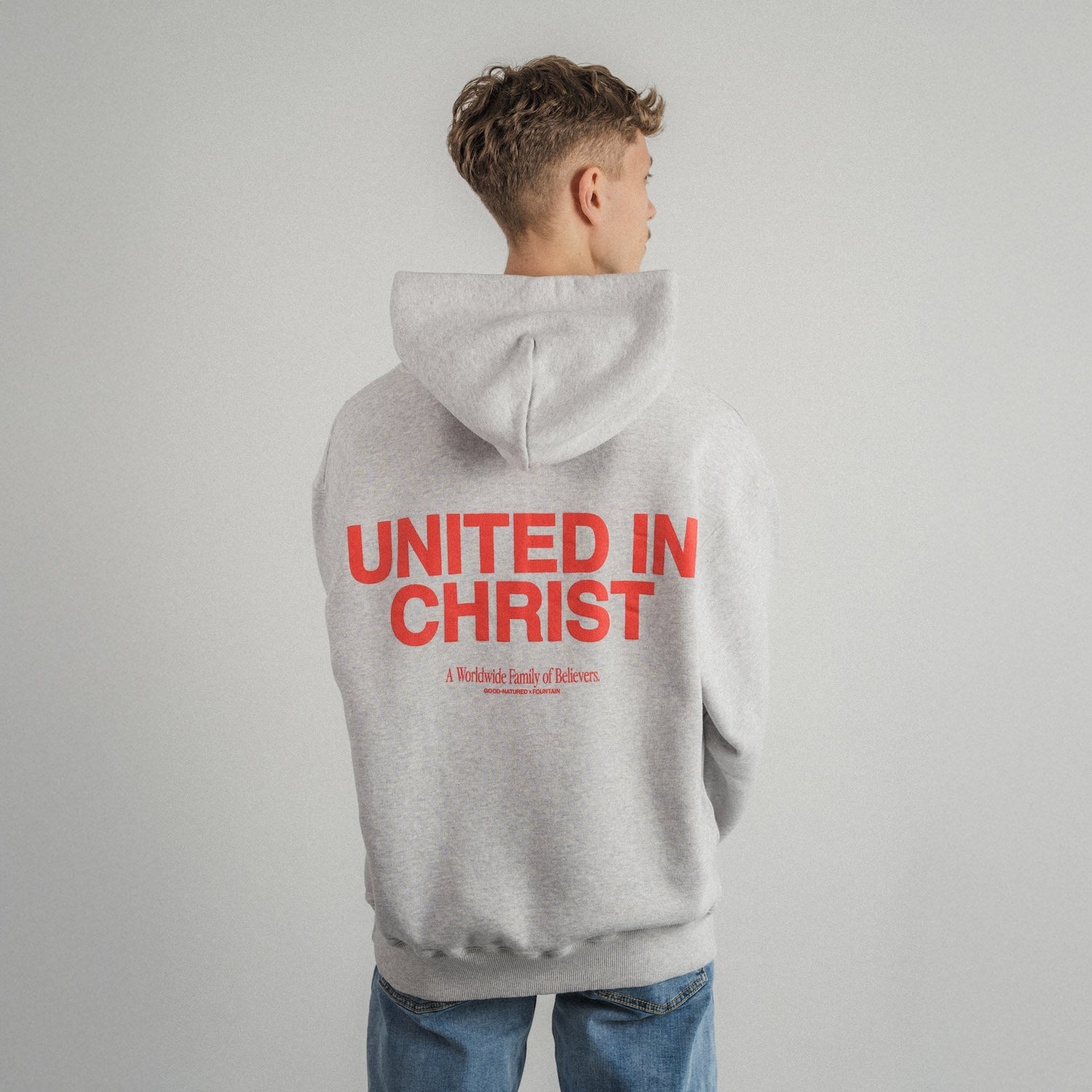
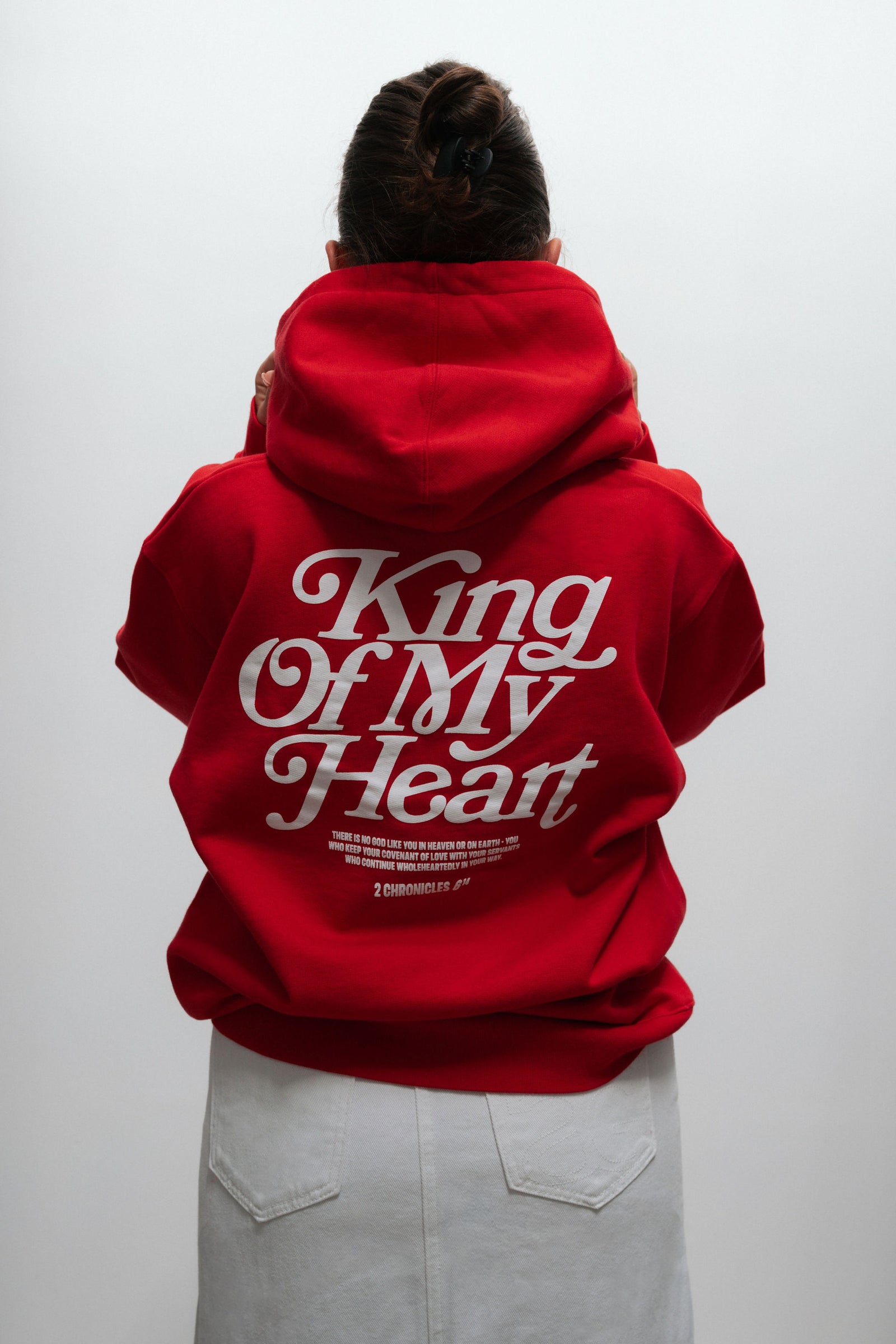
With ready-made clothing, it is worth looking at material and workmanship; our guide to Christian clothing sums up what matters, and for shirts with a message see Jesus shirts: what to look for. Accessories keep it subtle: the Fisherman Beanie made from organic cotton carries the fisherman in its name and costs 25 €. You will find more hats in our article on Christian caps and beanies, and calm designs without a big statement in the Minimalist & subtle collection.
Conclusion
The Ichthys is not a decorative animal but a play on words with depth: an everyday word that contains the confession “Jesus Christ, Son of God, Saviour”, and a sign anyone can draw in two seconds. Documented early by Tertullian and in the catacombs, and connected with the fishermen of the Sea of Galilee, it has lasted almost two thousand years. At Good-Natured we love exactly this kind of symbol: simple, ancient and full of meaning. If you want to show your faith in a similarly understated way, you will find suitable pieces in our Christian Clothing collection.
Frequently asked questions
What does Ichthys mean in English and how is it pronounced?
Ichthys is the ancient Greek word for “fish” (ἰχθύς). In English it is usually pronounced “ICK-thiss”. The same root gives us the scientific term ichthyology, the study of fish.
Why are there sometimes Greek letters or “Jesus” inside the fish?
The letters ΙΧΘΥΣ inside the outline make the acrostic visible and show that the fish is meant as a confession of faith. Modern versions write “Jesus” inside the fish instead, so that people without Greek can understand it. The meaning stays the same.
Is the Christian fish Catholic or Protestant?
Neither: the sign is far older than the division of the denominations and is used by Catholic, Protestant, Orthodox and free church Christians alike. It belongs to no single church, which makes it a good shared sign of recognition.
What does the fish sticker on a car mean?
It is a personal confession: the driver shows that they are a Christian. There is no official rule or membership behind it. Some also see the sticker as a reminder to themselves to act accordingly in everyday life, including on the road.

A simple hat made from organic cotton, 25 €. For everyone who prefers to show their faith quietly.
View the product ↗