The difference between Konfirmation, Firmung and Jugendweihe lies in their background: Konfirmation is the Protestant confirmation of infant baptism, Firmung is the Catholic sacrament of confirmation, usually administered by the bishop, and Jugendweihe is a secular celebration with no church connection. All three mark the step into adolescence, but each means something different.
In spring the invitations pile up in Germany, and so do the questions: What happens at the ceremony, what do you write in the card, what do you give? At Good-Natured we hear these questions every year. So here is an overview of what each celebration is about, how Protestant and Catholic confirmation differ theologically, and what to keep in mind as a guest.
• Konfirmation: Protestant, confirms baptism, usually at 13 or 14, not a sacrament.
• Firmung: Catholic, one of the seven sacraments, given through the laying on of hands and anointing with chrism, age set by each diocese, usually between 12 and 17.
• Jugendweihe: secular celebration, dating back to the 19th century, still common today mainly in eastern Germany.
• Gifts and cards: a faith reference is welcome for Konfirmation and Firmung, but not for Jugendweihe.
“All three celebrations are about teenagers. Only two of them have to do with church, and even those two do not mean the same thing.”

1. Konfirmation: the Protestant confirmation of baptism
The Latin “confirmare” means to strengthen or affirm. Anyone baptised as a baby could not say yes for themselves back then. At their Konfirmation, young people now affirm that baptism themselves and receive the blessing of the congregation. Those who have not yet been baptised are baptised during the preparation time or in the confirmation service itself.
Before that comes a preparation period of usually one to two years, with group meetings, retreats and services. In the festive service each confirmand is blessed individually with the laying on of hands, usually with a Bible verse they have often chosen themselves. You will find a selection in our confirmation verses. After their Konfirmation, young people can become godparents; it also used to mark admission to Holy Communion, to which many congregations now invite children as well.
The celebration usually takes place in eighth grade, often between Easter and Pentecost. We have gathered ideas for the day in our confirmation gifts.
2. Firmung: the Catholic sacrament of strengthening
Firmung is one of the seven sacraments of the Catholic Church. Together with baptism and First Communion, it forms the three sacraments through which a person grows fully into the Church. First Communion usually happens in third grade, Firmung follows years later; read more in our gift ideas for First Communion.
Firmung is administered by the bishop or by a priest he appoints. The candidate receives the laying on of hands, the forehead is anointed with chrism, and the minister says: “Be sealed with the Gift of the Holy Spirit.” One biblical background is Acts 8:14–17, where the apostles lay their hands on people who had been baptised.
The candidate is accompanied by a sponsor who must be Catholic and confirmed, and as a rule at least 16 years old. The Church recommends choosing the baptismal godparent for this. Each diocese sets the age for Firmung itself, usually between 12 and 17. You will find ideas for this occasion in our article gifts for Catholic confirmation and in the Firmung gifts collection.
3. How Protestant and Catholic confirmation differ theologically
At first glance the two celebrations look alike: teenagers, preparation, a blessing with the laying on of hands. The difference lies in the understanding behind them.
Sacrament or blessing: The Protestant church recognises two sacraments, baptism and the Lord’s Supper. Konfirmation is therefore not a sacrament but a profession of faith and a blessing. For the Catholic Church, Firmung is a sacrament that is given once and never repeated.
Who acts: In Konfirmation the young person’s own response to baptism is in the foreground. In Firmung the focus is on God’s action: the gift of the Holy Spirit, which completes and strengthens baptism.
Who presides: Konfirmation is led by the local pastor, Firmung as a rule by the bishop.
Both share a connection to baptism. Many free churches have neither Konfirmation nor Firmung; there, people are baptised once they believe for themselves. How that works is explained in our article on adult baptism.
4. Jugendweihe: the secular coming-of-age celebration
Jugendweihe has no church background. It emerged in the mid-19th century in free-religious and freethinking circles and was later carried by the labour movement. In the GDR it was organised by the state, and the large majority of young people took part.
Today it is voluntary and organised by associations and humanist organisations, sometimes under the name “Jugendfeier”. Especially in eastern Germany, it is a firm tradition for many families. It is celebrated at around 14 in a festival hall or theatre, often with a preparation programme of trips, workshops and conversations. For guests this means: congratulate warmly, but leave out religious language unless the family explicitly wishes otherwise.

A gift for Konfirmation or Firmung that won’t end up at the back of a drawer: the Strong in Grace socks have a knitted-in design, are knitted in Saxony, Germany, and cost 12 €.
View the socks ↗5. What this means for gifts and cards
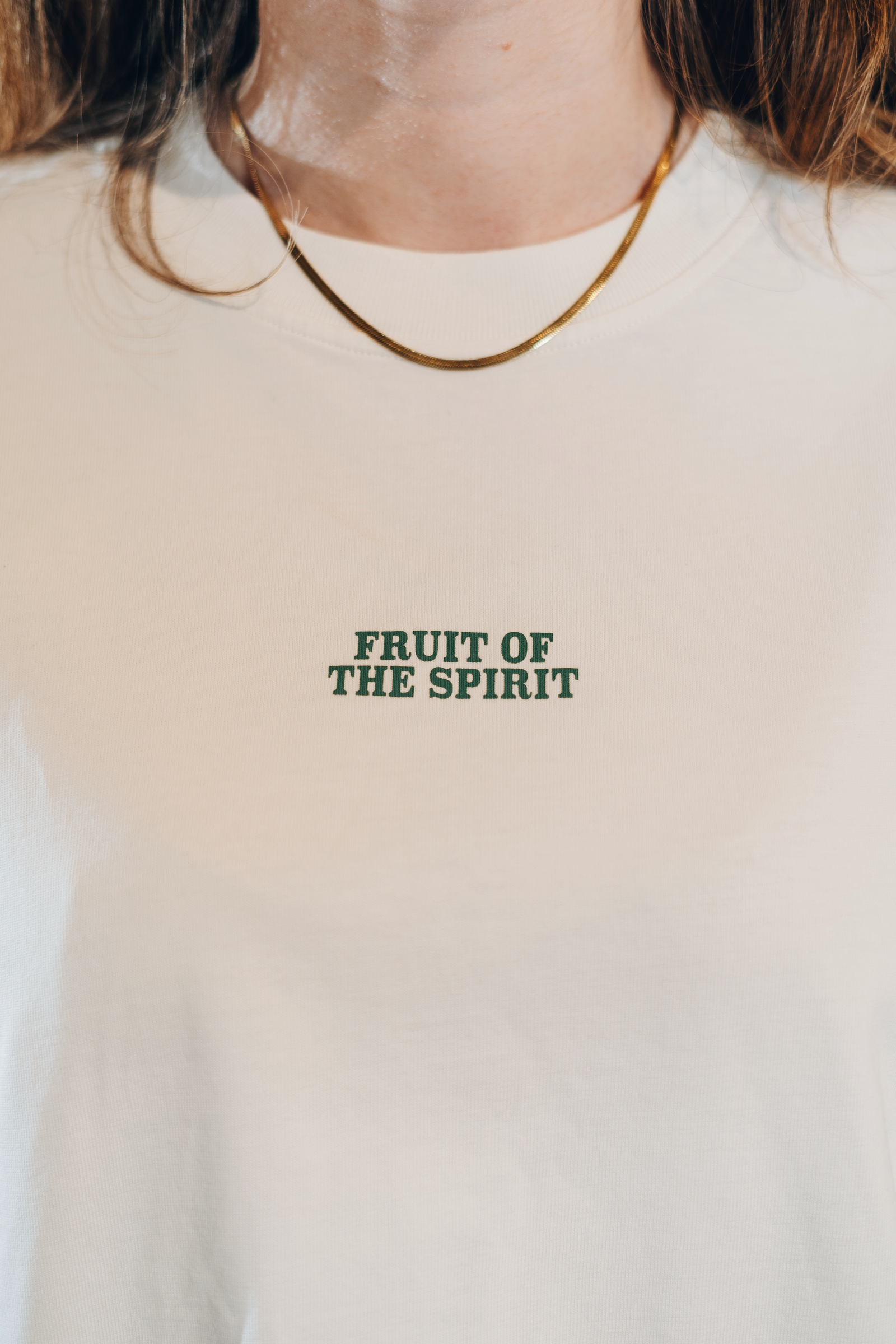
Konfirmation: A reference to the confirmation verse feels especially personal because the young person chose it. Things that get used in everyday life go down well, such as the Let your light Shine T-shirt based on Matthew 5:16, made from 100% organic cotton in Portugal, for 38 €. More ideas are in confirmation gifts 14-year-olds actually keep.
Firmung: Anything that recalls the gift of the Holy Spirit and strength in faith fits well. A subtle sign are the Cross socks with an embroidered cross for 12 €. Sponsors often give something lasting together with a personal letter.
Jugendweihe: Keep the gift secular: a shared experience, a good book, something for a first project of their own. Anything that looks like a profession of faith tends to put the recipient in an awkward position.
A simple card works for all three occasions, such as the Herzlichen Glückwunsch postcard for 2 €, printed in Germany. At Good-Natured we place great importance on producing in Europe: our shirts are mostly made in Portugal, and our socks are knitted in Saxony, Germany.
6. As a guest: what to say
The same structure works for all three celebrations; only the last part changes. Congratulate them specifically on the occasion, say something personal about them, and close with a wish: for Konfirmation and Firmung that can be a blessing, for Jugendweihe a good wish for the road ahead.
You will find wording ideas in our blessings for baptism and confirmation. How to write cards that don’t sound like clichés is covered in a separate guide.
Conclusion
Konfirmation affirms baptism, Firmung is a sacrament in its own right, and Jugendweihe celebrates growing up without any church connection. If you can read this from the invitation, it is easier to strike the right tone when congratulating and choosing a gift. If you are looking for something lasting for a Konfirmation, take a look at the confirmation gifts from Good-Natured.
We cover the order of service and meaning of Konfirmation in a separate article.
Frequently asked questions
Can you be confirmed as a Protestant and later receive Catholic confirmation?
Yes. Anyone who moves from the Protestant to the Catholic Church usually receives Firmung on being received, because Konfirmation is not considered a sacrament there. Protestant baptism, on the other hand, is recognised and not repeated.
Can you celebrate both Jugendweihe and Konfirmation?
Some families celebrate both, and today the churches are mostly relaxed about it. For young people who are not baptised, some congregations offer their own blessing ceremonies, such as the “Feier der Lebenswende” that began in the Diocese of Erfurt.
Can adults be confirmed?
Yes. Many Catholic dioceses run confirmation courses for adults, and Protestant congregations confirm adults who were baptised as children. Adults who are baptised are not additionally confirmed in the Protestant church, because their own yes is already part of their baptism.
Can guests receive Communion at a Catholic confirmation Mass?
At a Catholic Mass, Communion is generally received only by Catholics. Protestant and non-church guests can stay seated or come forward with their arms crossed over their chest to receive a blessing.

Socks are a gift teenagers really wear. The Grace socks have a knitted-in design, are knitted in Saxony, Germany, and cost 12 €.
View the socks ↗