Confirmation is the Protestant church's celebration in which young people affirm their baptism: usually at around 14, they say yes for themselves to what their parents and godparents promised on their behalf when they were baptised. In the confirmation service each of them is blessed individually and receives a personal Bible verse to take with them. Before that comes the confirmation class period, which lasts roughly one to two years depending on the congregation.
This overview from Good-Natured explains what confirmation means, how the confirmation class period works and what happens on the big day. It is written for confirmands who want to know what lies ahead, and for parents and godparents who accompany them through the year. Because every regional church and every congregation has its own traditions, we describe the typical process; the details are best clarified with your local parish office.
• Meaning: confirmation comes from the Latin confirmare (to strengthen, to make firm) and affirms baptism.
• Age: usually around 14, often in the eighth school year.
• Confirmation classes: roughly one to two years depending on the congregation, with lessons, church services and usually a retreat.
• Service: profession of faith, blessing with a personal confirmation verse and, in many congregations, Holy Communion.
• Afterwards: confirmed young people can usually become godparents themselves.
1. What does confirmation mean?
When a child is baptised, parents and godparents say yes to faith on the child's behalf. Confirmation is the moment when young people say that yes themselves. At the same time, the congregation promises them God's blessing. The two belong together: confirmation is not only a personal profession of faith but also encouragement from others, just as the Latin word confirmare suggests.
Confirmation is a celebration of the Protestant church. In the Catholic Church, the sacrament of Confirmation (Firmung) holds a similar place, with its own understanding and its own process; the Jugendweihe, by contrast, is a secular ceremony. We have summarised how the three differ in our article Confirmation, Firmung and Jugendweihe compared. Churches that practise only believer's baptism do not have confirmation in this form.
The fact that confirmation usually takes place around the age of 14 matches a legal threshold: in Germany, young people decide on their own religious affiliation from the age of 14. If you are already thinking about the day itself, our Confirmation Gifts collection has ideas that suit this step.
2. Confirmation classes: from registration to the presentation service
The invitation to confirmation classes usually comes from the local church, often at the age of twelve or 13. How long the period lasts and how it is organised varies a great deal. These elements are typical:
Lessons. Weekly meetings or block days covering the basics of faith: the Creed, the Lord's Prayer, the Ten Commandments, baptism and Holy Communion. Today many congregations rely less on memorising and more on conversations and projects.
Church services. Attending a certain number of services is part of it almost everywhere, sometimes together with helping to shape a service.
Retreat. A weekend or a few days away from home together. For many, this is the part they remember most fondly later on. Some groups design their own confirmation class shirts for it.
Placement or project. In many congregations, confirmands get to know areas such as children's work, groups for older people or diaconal services.
Presentation service. A few weeks before confirmation, the group introduces itself to the congregation. This used to be an examination; today confirmands usually lead a service on a topic they have chosen themselves.
Young people who have not been baptised can still take part in confirmation classes. They are then usually baptised during this period or in the confirmation service itself.
3. How the confirmation service works
In many congregations confirmations take place in spring, often between Easter and Pentecost. The service is more festive and usually longer than an ordinary Sunday service. The order varies, but the core elements are almost the same everywhere.
Procession. The confirmands enter the church together with the pastor. In some congregations they wear matching robes.
Profession of faith. The congregation says the Creed, and the confirmands answer the question of whether they say yes to their baptism. This is the heart of confirmation.
Blessing. The young people come forward individually or in small groups and are blessed with the laying on of hands. Their confirmation verse is read out, a Bible verse they have often chosen themselves. You will find ideas in our collection of confirmation verses.
Holy Communion. In many congregations, the newly confirmed celebrate Holy Communion together with their families during the service. Some congregations invite children to Communion earlier.
Certificate and recession. At the end there is usually a confirmation certificate with the personal verse, followed by photos and a celebration with family and friends.
4. After confirmation: what changes
With confirmation, young people are considered full members of their congregation. In practical terms this mainly means that they can usually become godparents themselves. Depending on the regional church, further rights may follow, such as voting in church elections; the exact age limits differ.
For many, the journey continues in youth work, for example as a team leader for the next confirmation class. And looking back decades later, people can celebrate their golden confirmation after 50 years. You will find ideas for that occasion in our article Golden confirmation: gifts and verses.
5. For parents and godparents: what needs doing around the day
Most of the organising is not about the service but about everything around it: guest list, venue, food and clothing. We explain what confirmands wear today in our article on the confirmation outfit. Godparents and grandparents usually write a card with a few personal words. You will find wording ideas in our blessings for baptism and confirmation, and matching cards in our Christian Greeting Cards collection.
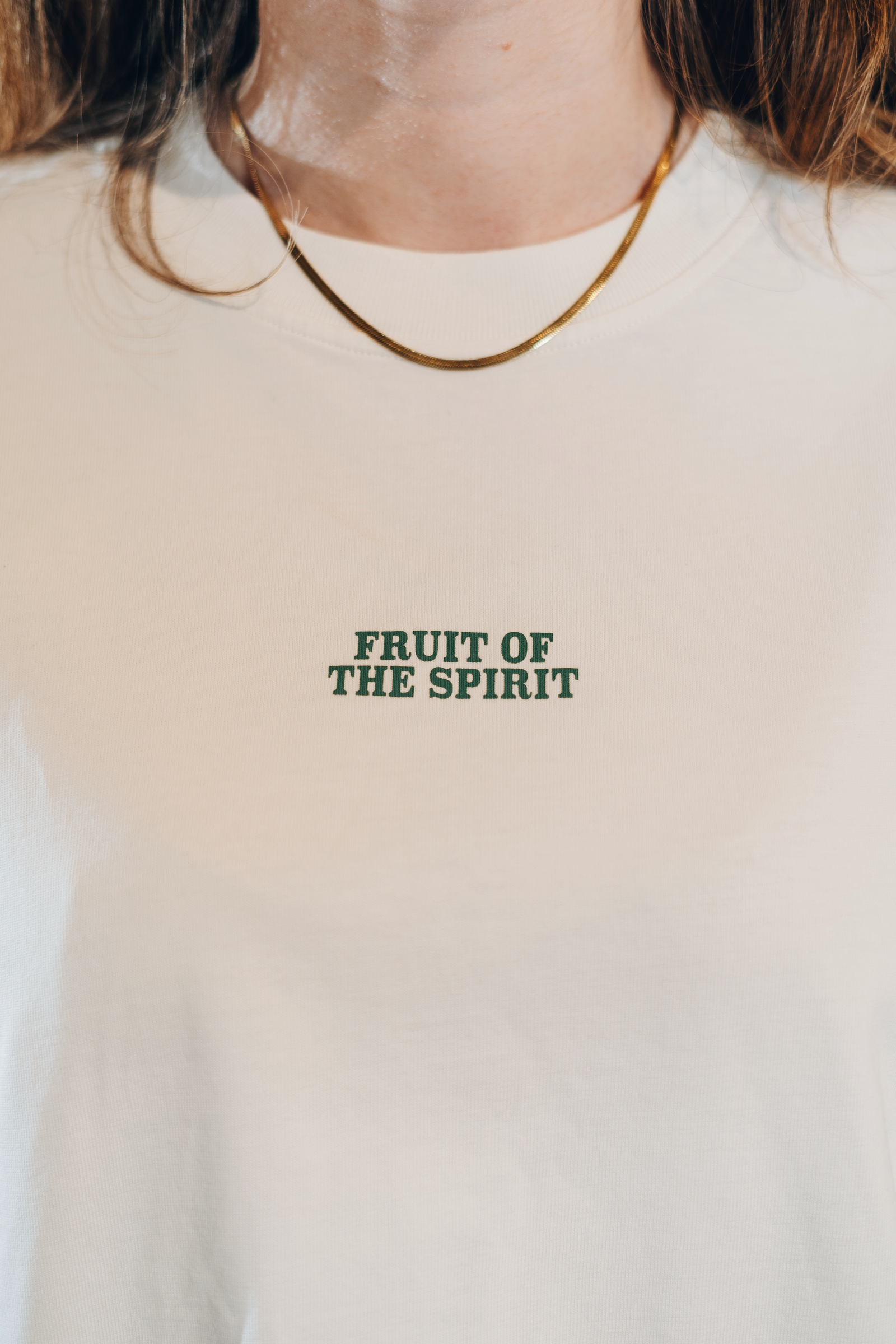
When it comes to a gift, it is worth thinking about the person rather than the occasion. We have collected what 14-year-olds actually keep in our guide Confirmation gifts that last. At Good-Natured, examples include the Cross Socks with an embroidered cross for 12 € or the Let your light Shine T-Shirt made of organic cotton, made in Portugal, for 38 €.

The Herzlichen Glückwunsch postcard for 2 € leaves room for a personal blessing.
View the collection ↗Conclusion
Confirmation affirms what was promised for a person at their baptism, and this time the young people say yes themselves. Before it comes a period of classes, services and shared experiences; then the blessing in the festive service and new possibilities in the congregation. If you would like to accompany a confirmand on this path with a gift, you will find clothing, socks and cards with a message in the Confirmation Gifts collection at Good-Natured.
Frequently asked questions
Do you have to believe in God to be confirmed?
Most congregations do not expect a finished faith, but a willingness to engage seriously with questions of faith during the confirmation period. Doubts and open questions are normal at this age and belong in the classes. Anyone who decides in the end not to be confirmed can discuss this openly with the pastor.
Can you be confirmed as an adult?
Yes, many Protestant congregations offer confirmation for adults. Instead of a full confirmation year there are usually a few conversations or a short course on faith. The best thing is to ask your local parish office directly.
What happens if a confirmand has not been baptised?
Unbaptised young people can take part in confirmation classes as normal. They are usually baptised before confirmation, often during the confirmation year or directly in the confirmation service.
Who chooses the confirmation verse?
In many congregations confirmands choose their verse themselves, often with help from the pastor. Some congregations suggest a selection or choose a verse personally for each confirmand. The verse later appears on the certificate and stays with many people for life.