Most damage to clothing can be repaired yourself: a fabric shaver removes pilling in two minutes, and small holes and open seams can be closed with needle and thread in five to ten minutes. Timing is what matters, because a two-millimetre hole is often two centimetres wide after three washes.
Hardly any piece of clothing is thrown out because it is broken. It is thrown out because a small bit of damage waited too long. At Good-Natured we focus on heavy fabrics and clean finishing so that shirts and hoodies last; the following tips make sure they actually do.
• Pilling: remove with a fabric shaver, never pull it off.
• Small hole: close from the inside with small stitches, 5–10 minutes.
• Open seam: re-sew with a backstitch, one centimetre beyond the open section.
• Print and embroidery: a print can't be repaired, a loose embroidery thread can.
• Basic kit: needles, thread in black, white and grey, small scissors, fabric shaver.
“Hardly any piece of clothing is thrown away because it is broken. It is thrown away because a small bit of damage waited too long.”
1. Removing pilling
What it is: small bobbles of rubbed-off fibres, especially on the arms, sides and wherever a bag rubs. Knitwear and sweatshirt fabrics are particularly affected, especially in the first few weeks.
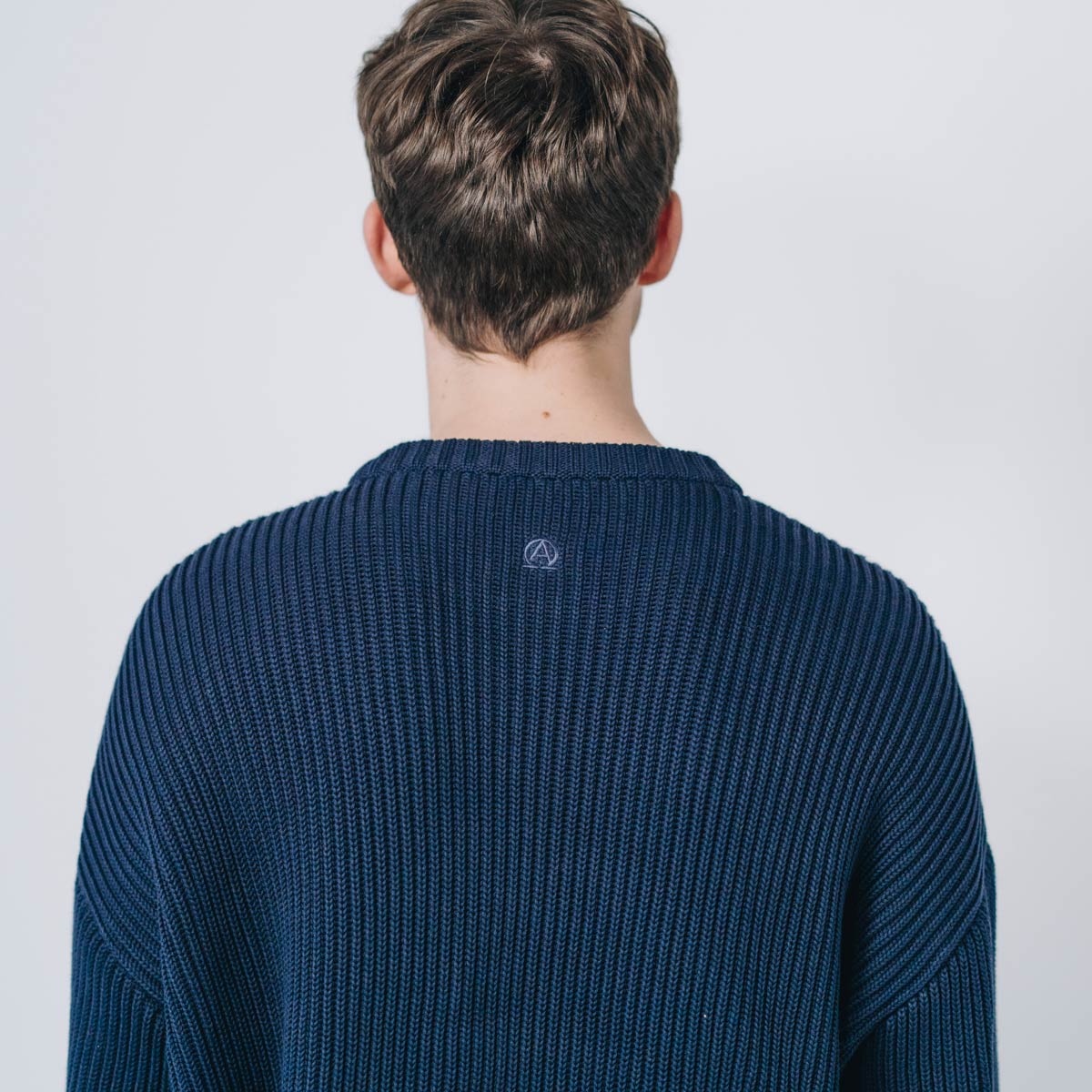
What helps: a fabric shaver. Two minutes and the piece looks well cared for again. Don't pull the bobbles off, as that pulls fibres out of the fabric. With knitwear such as the Creation Knitwear Half-Zip, work with light pressure and lay the piece flat.
Prevention: wash inside out, wash less often, avoid friction from Velcro or rough backpack straps.
2. How do you mend a small hole?
What helps: with a needle and matching thread, sew small stitches around the hole from the inside and gently pull them together. With jersey, don't pull the thread too tight, or the area will pucker.
Time: five to ten minutes. The difference between “you can't see anything” and “you can see something” lies mainly in matching the thread colour. If you want to show the repair on purpose, add a small patch or stitch over it with a contrasting thread.
3. Closing an open seam
What helps: re-sew with a backstitch, starting one centimetre before and ending one centimetre after the open section. It is the simplest repair of all and lasts a long time if done carefully by hand. For side seams on shirts, it's worth turning the piece inside out first so the repair stays invisible.
4. A stretched-out collar
What helps: unfortunately not much, so prevention is everything here. Store shirts folded instead of on hangers and don't pull on the collar when taking them off.
Emergency fix: with slight stretching, it sometimes helps to wet the collar, pull it into shape and let it dry flat. Heavier fabrics with firmly knitted ribbing keep their shape much longer; the fabric weight of every Christian T-shirt at Good-Natured is listed on its product page.
5. Cracked print, loose embroidery
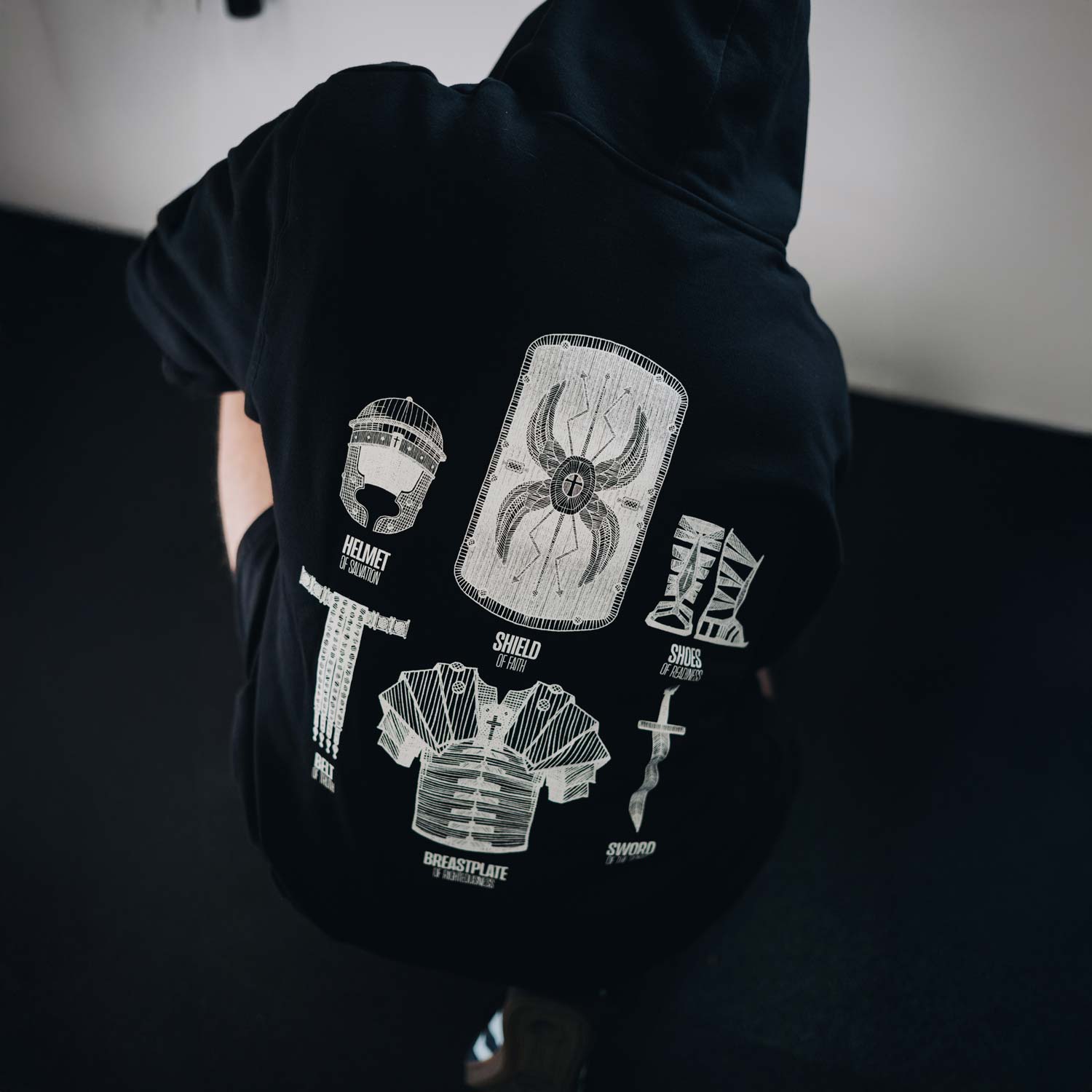
Print: a print can't be repaired. What you can do: accept the spot as part of the piece, since fine cracks are a deliberate effect in vintage styles, or cover the design with a sewn-on patch. Prevention: spin gently, wash inside out, never iron directly over the design.
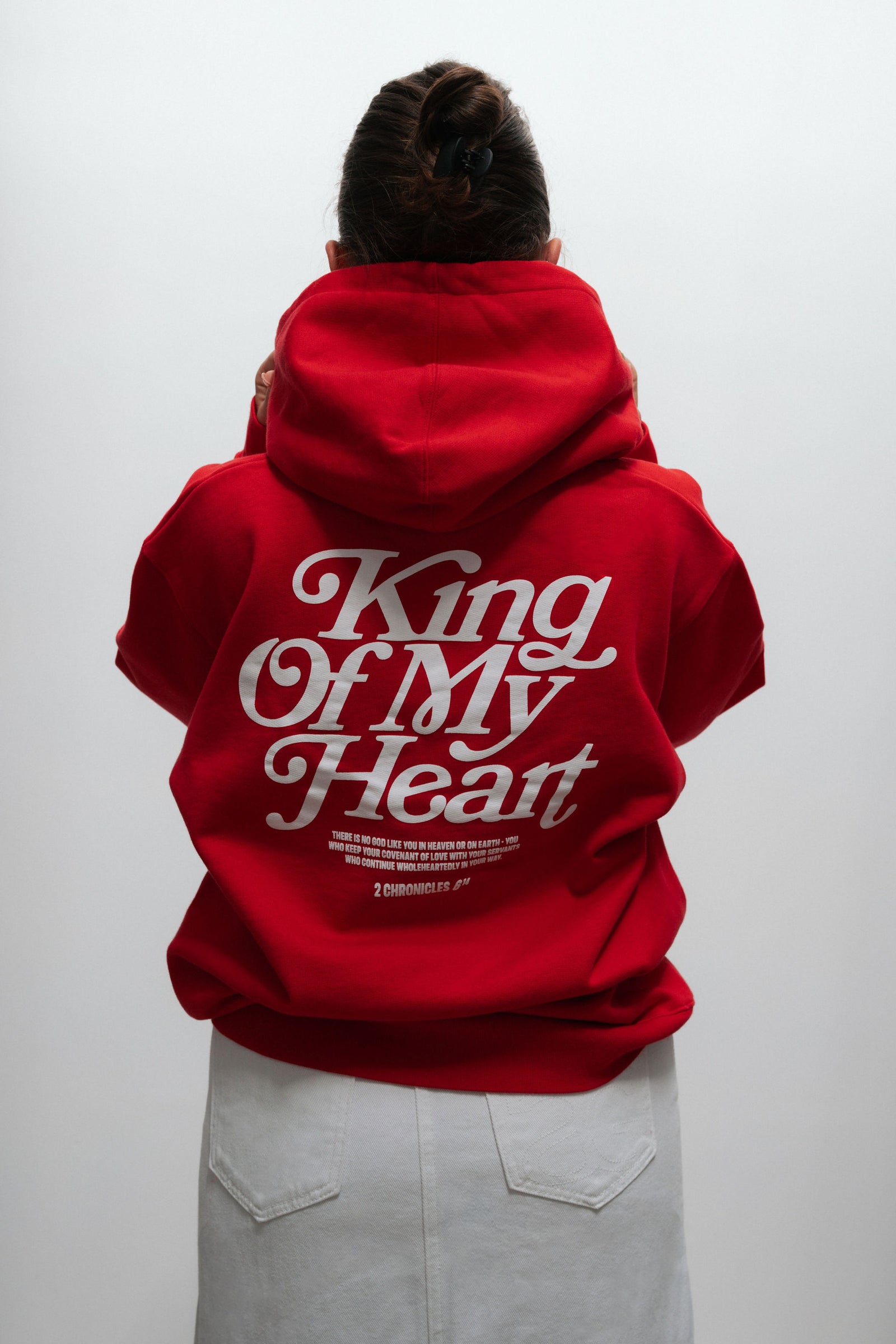
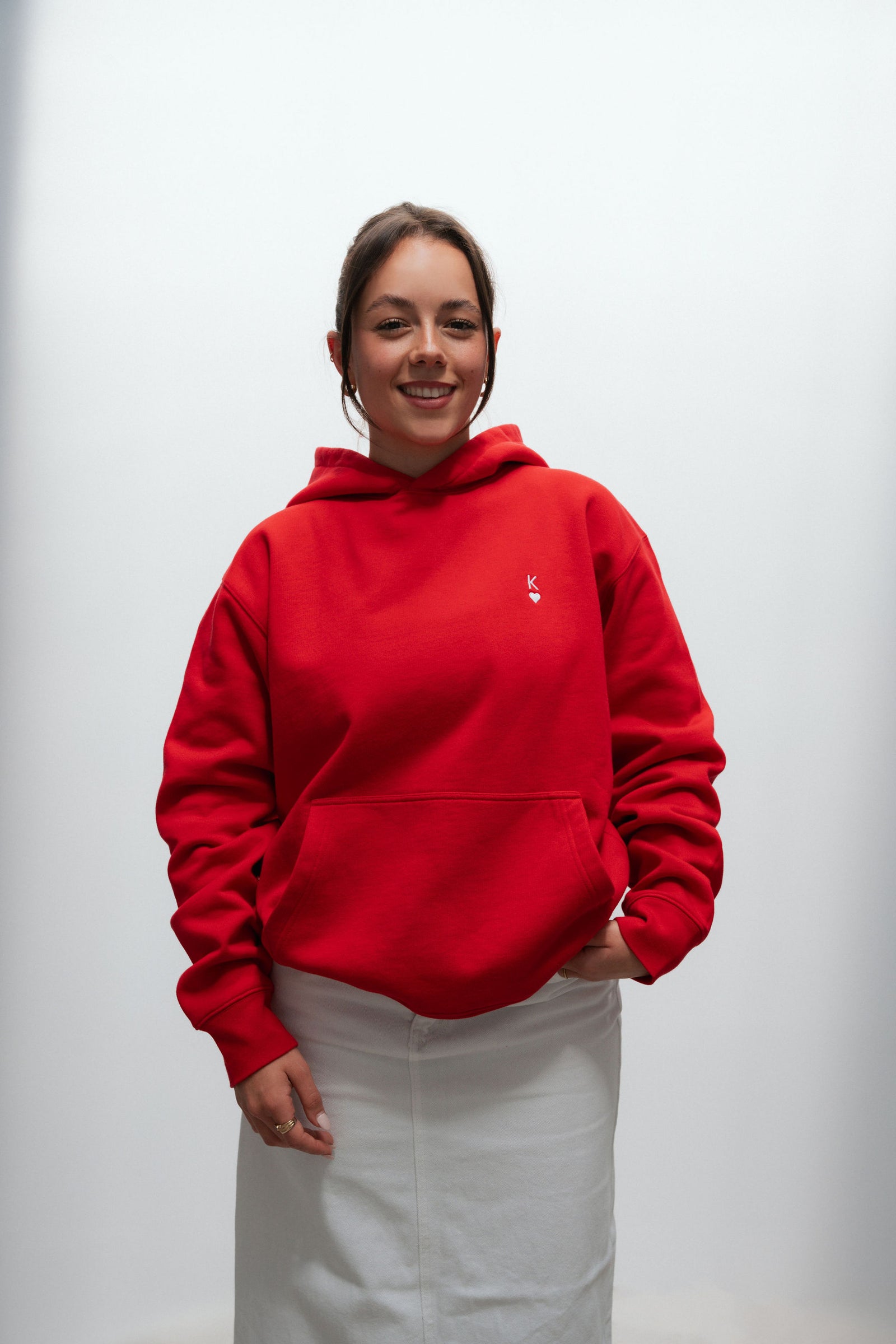
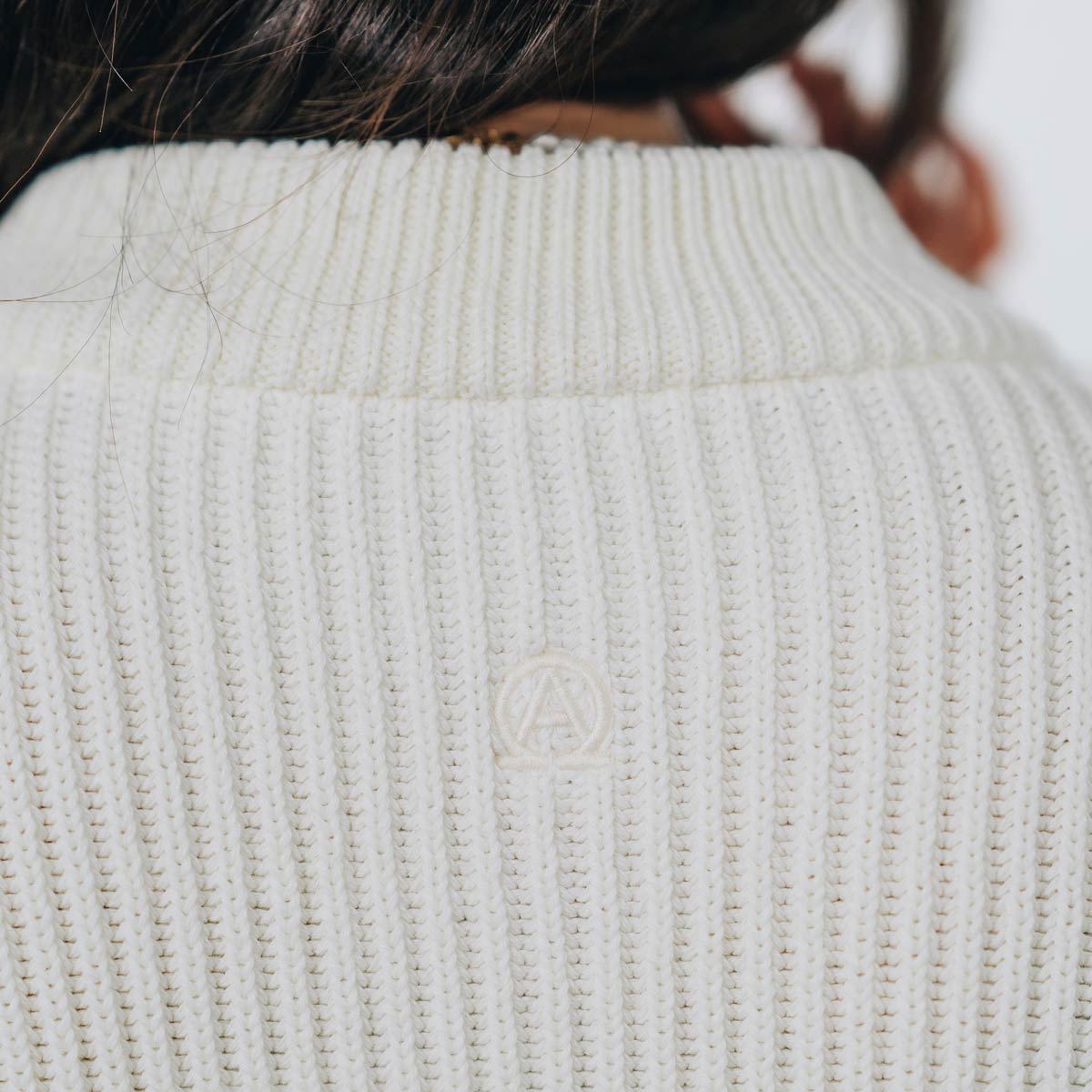
Embroidery: a loose thread, on the other hand, is easy to save. Don't cut it off; pull it through to the back with a fine needle and secure it there. Embroidered designs like the one on the King of my Heart Oversized T-Shirt are very robust anyway, as long as you don't iron them directly. How print and embroidery age in everyday use is compared in our article Embroidery or print.
Needles in two sizes, three thread colours (black, white, grey), small scissors and a fabric shaver. It costs a few euros and covers most of the cases above.
6. When is repairing not worth it?
When the fabric itself has become thin. Then every seam only holds briefly, because the fabric next to it gives way next. Such pieces make good cleaning cloths, and they are a sign that fabric weight should play a role in your next purchase. How long a good shirt realistically lasts is covered in How long does a T-shirt really last?; what fabric weight means for hoodies is explained in our hoodie guide.

Conclusion
Most common damage can be fixed in under half an hour, often without any sewing skills. The biggest lever isn't skill but timing: straight away instead of later. And if you choose pieces designed for long use from the start, you'll have less to mend. At Good-Natured you'll find shirts like that among our Christian T-shirts, and everything else in Christian clothing.
Frequently asked questions
Can you repair a knit jumper yourself?
Small holes in knitwear can be closed with a blunt wool needle and matching yarn using a knit stitch. It's important to secure loose stitches immediately with a safety pin so that no ladder forms. For larger damage, a visit to an alterations tailor is worthwhile.
How much does a repair at a tailor cost?
Simple jobs such as an open seam or a new button often cost only a few euros; more complex repairs such as a new zip cost more. Ask for the price beforehand; for a good-quality hoodie it is almost always worth it.
Can I iron a shirt with a print?
Yes, but only inside out or with a cloth between the iron and the design. Direct heat can soften prints and flatten embroidery. More care tips are in How to wash shirts properly.

Heavy quality in 100% organic cotton, made in Portugal: the Let your light Shine T-shirt, 38 €.
View the collection ↗