For a week of summer camp you need five sturdy tops, two pairs of long trousers and one pair of shorts, a warm hoodie, more socks than days, a rain jacket and a second pair of shoes. Material matters more than quantity: dark colours, solid fabrics, and prints or embroidery that survive a 40°C wash.
A week in a tent is harder on clothes than six months of everyday life: they get sweaty, are rinsed out somehow, dried by the campfire and used as a pillow at night. At Good-Natured we think about clothing not just for the first day but for the hundredth. This article shows what belongs in your bag, which pieces from our Christian clothing have proved themselves, and what stays at home.
• Quantity: about five tops for seven days, plus one set that is allowed to get dirty.
• Most important piece: a warm hoodie for morning, evening and night.
• Material: solid cotton in dark colours, plus one quick-drying piece for rainy days.
• Afterwards: wash inside out at 30–40°C, air out campfire smoke first.
1. How much clothing do you need for a week of camp?
Five tops for seven days. Experience shows people do not change more often than that, even if more gets packed at home. One of them can be a long-sleeved shirt.
Two pairs of long trousers, one pair of shorts. Long trousers protect against mosquitoes in the evening and sparks by the fire.
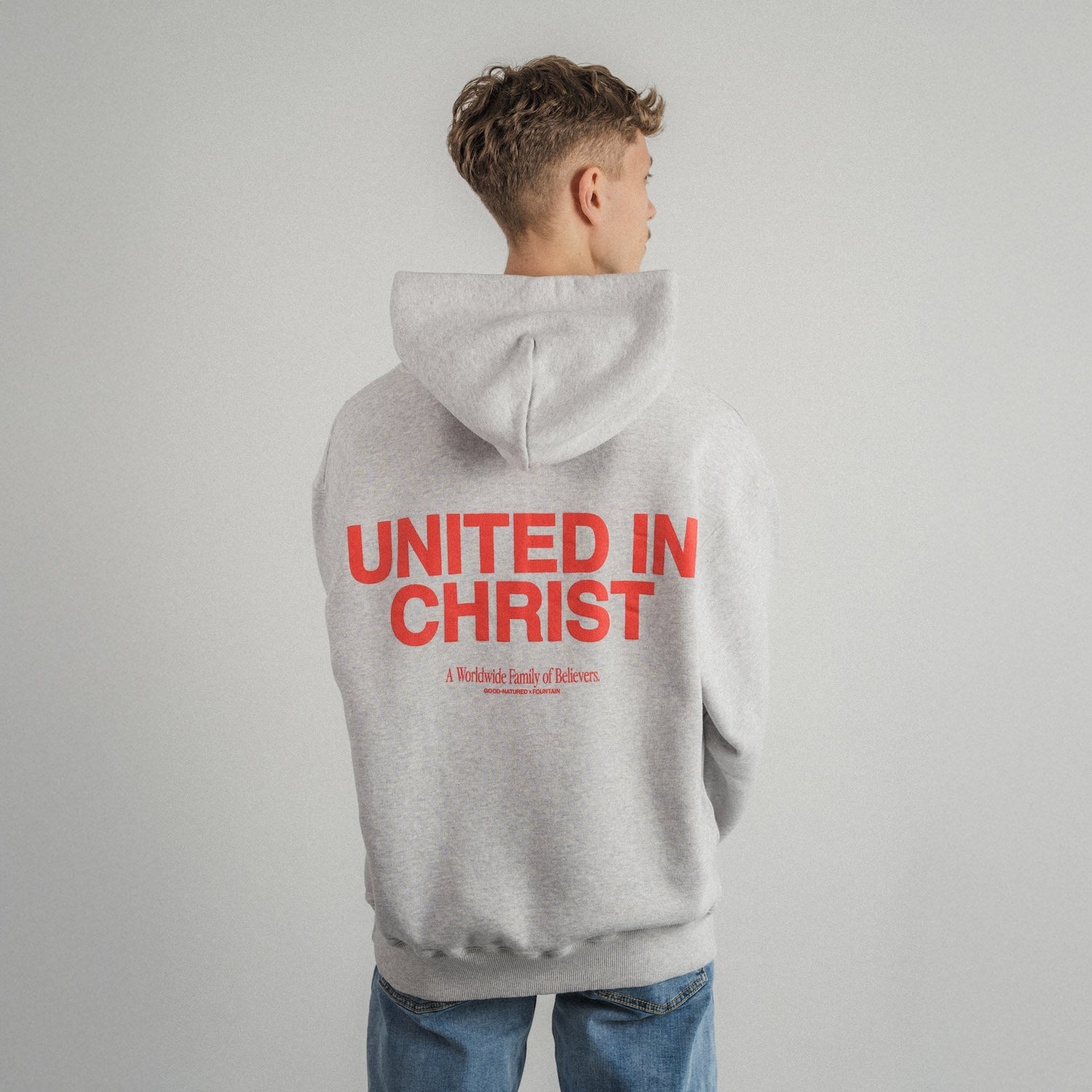
A warm hoodie. The most-worn item of the week: at breakfast, by the fire and at night in the sleeping bag.
Lots of socks. The one thing that reliably runs out. Plan on one pair per day plus two spare pairs for wet feet.
Rain jacket and a second pair of shoes. Wet shoes do not dry in a tent.
One set that is allowed to get dirty. There is always a field game, a water fight or a work session.
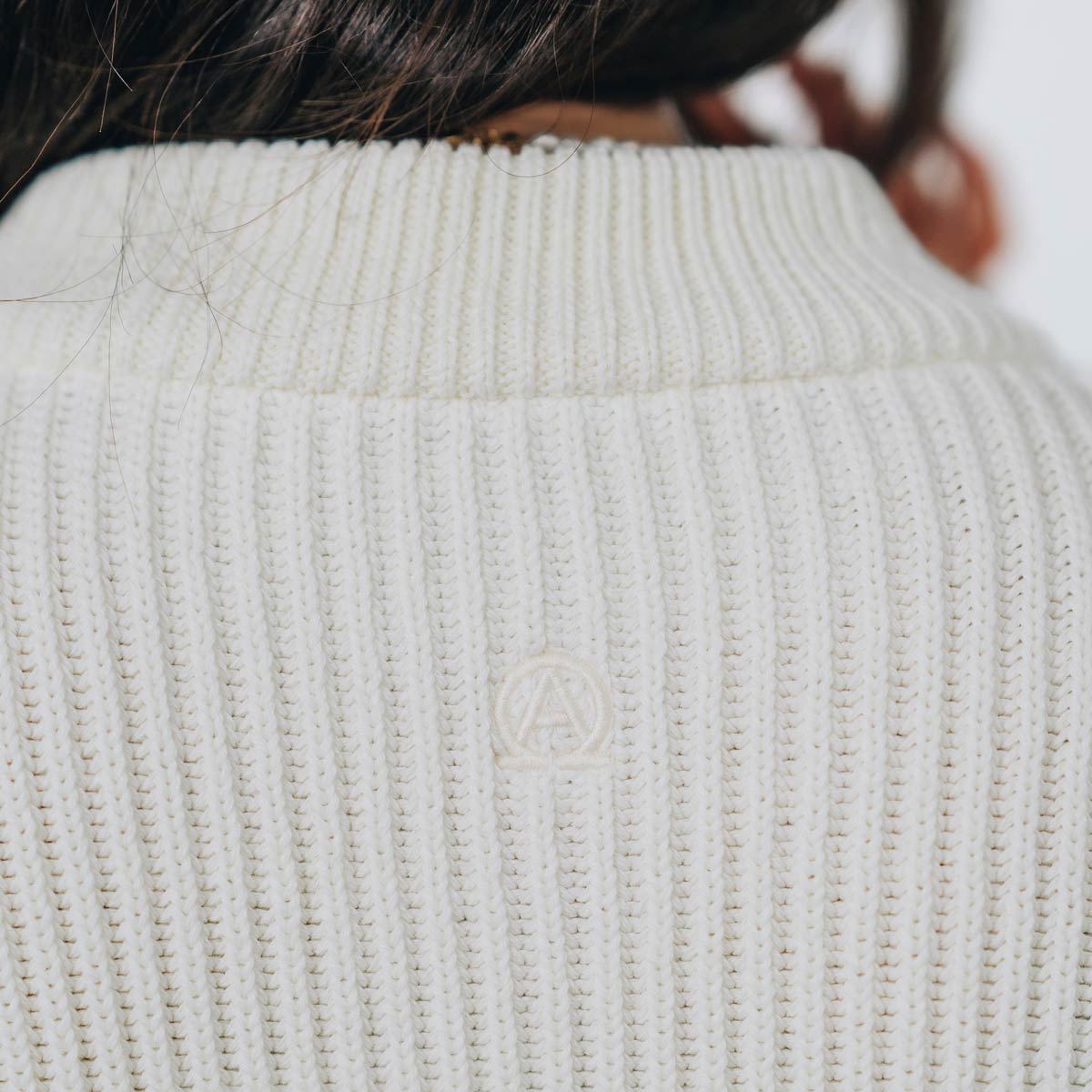
A hat for the night. Even in July a tent can get chilly. A light knitted beanie like the Fisherman Beanie made from 100% organic cotton (25 €) takes up almost no space.
A complete list with sleeping bag, torch and wash bag is in our youth camp packing list. Here we focus on clothing only.
2. Which materials survive a week in a tent
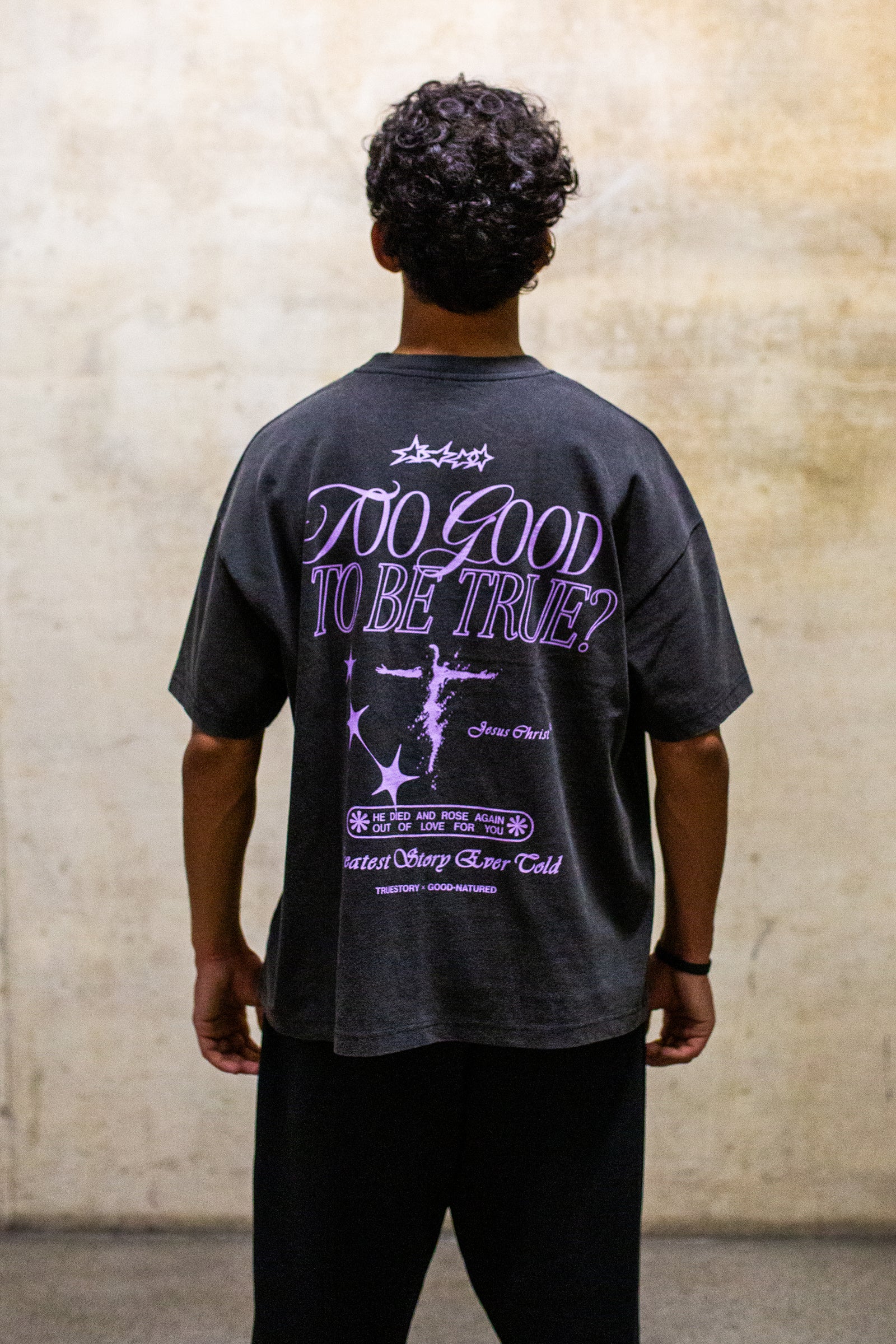
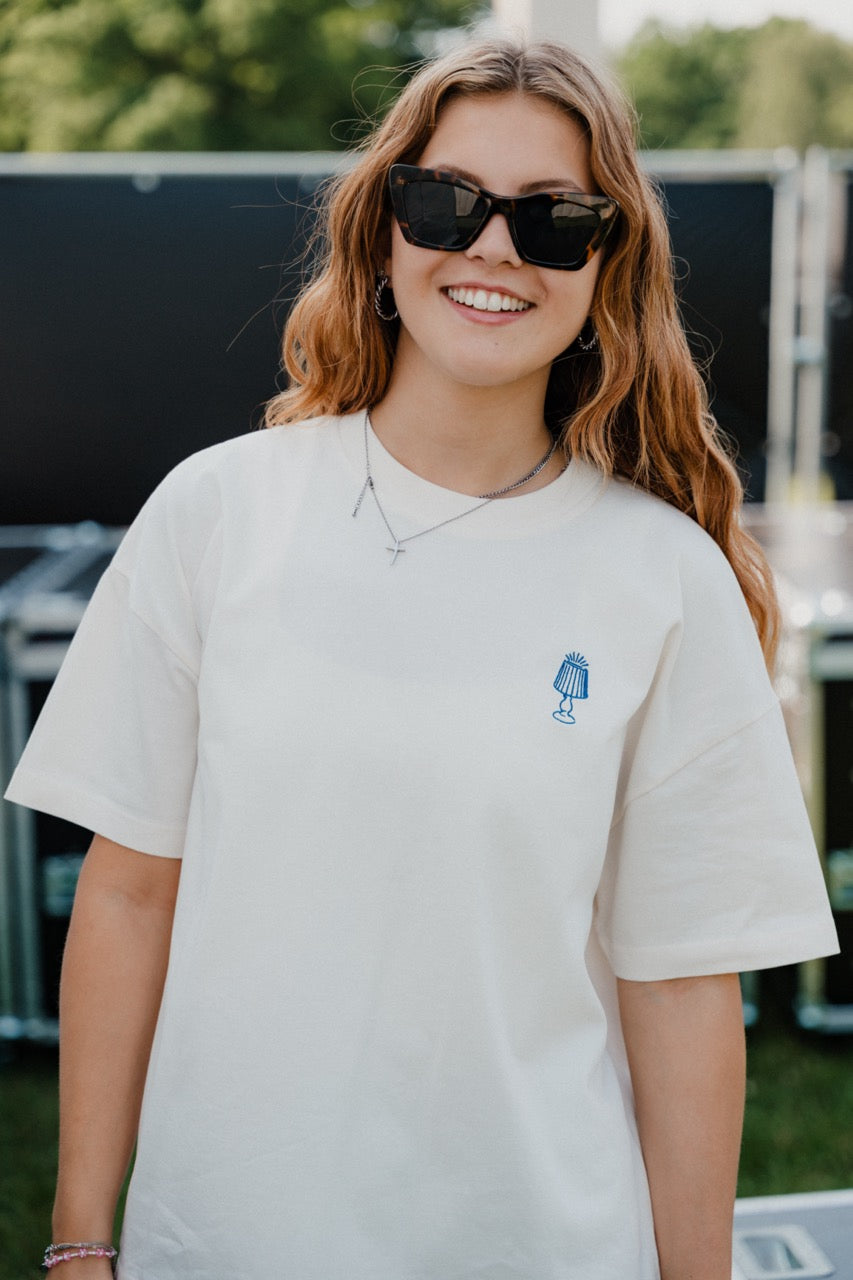
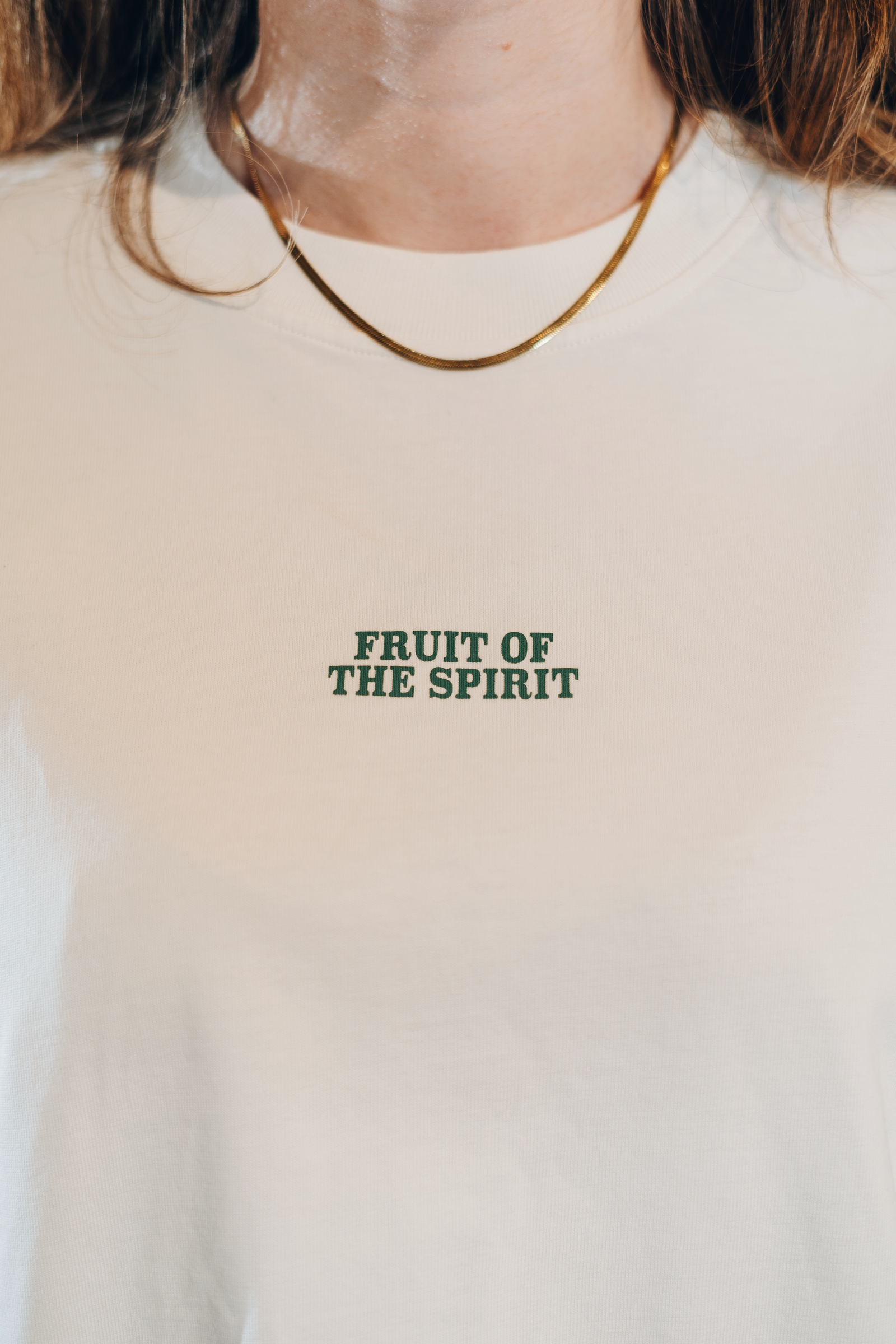
Solid cotton for shirts. Thin fabrics are stretched out at the collar after a week. A heavy shirt like the Let your light Shine T-shirt made from 100% organic cotton (38 €) keeps its shape much longer.
Dark colours. Not for style reasons: grass and soil stains are a problem on light fabrics after day one.
Robust finishing. Anything meant to survive sun, dust and washing should be printed solidly or embroidered. Fine, thin prints are the first to crack.
One piece of technical fabric. For rainy days: it dries overnight, cotton does not.

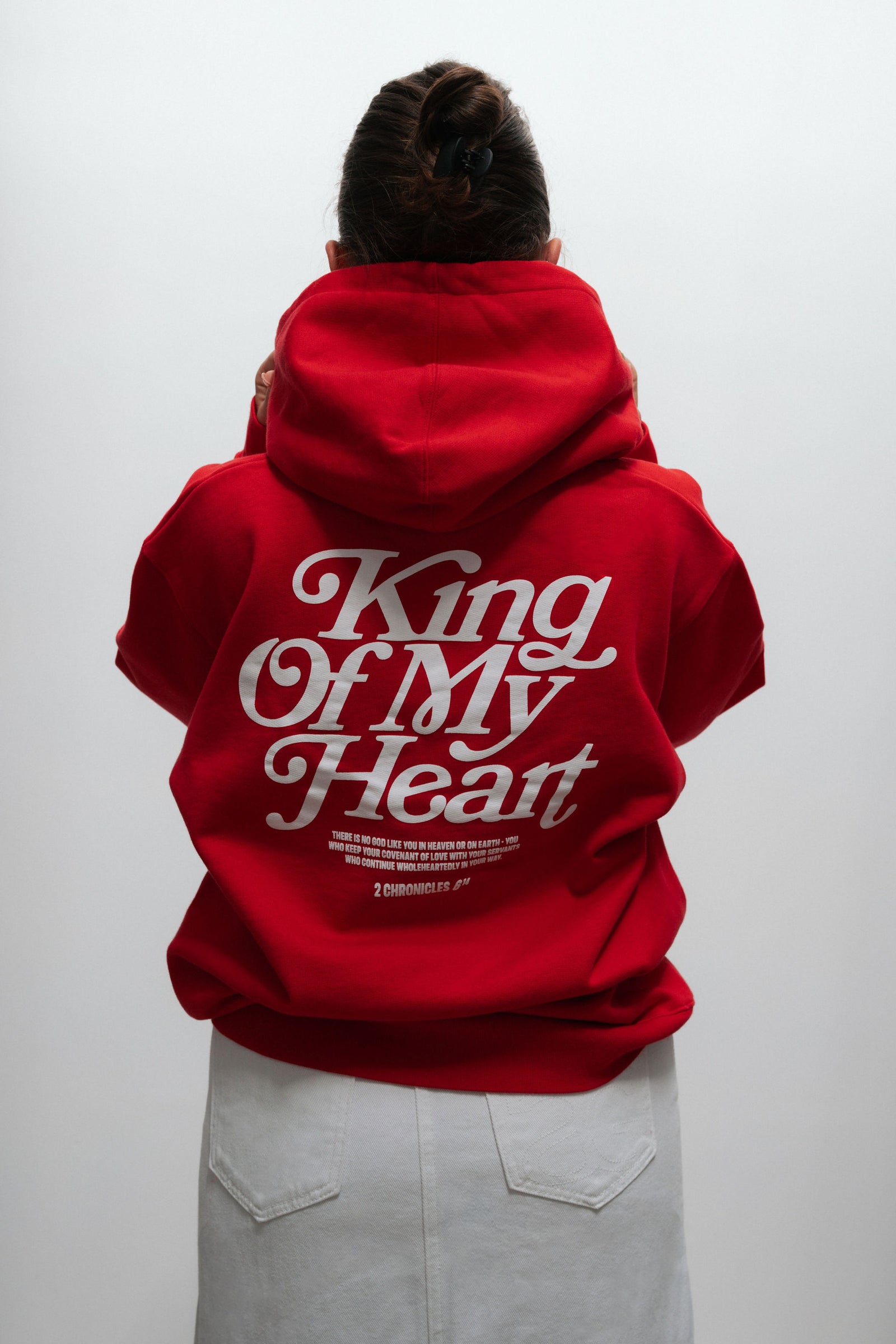
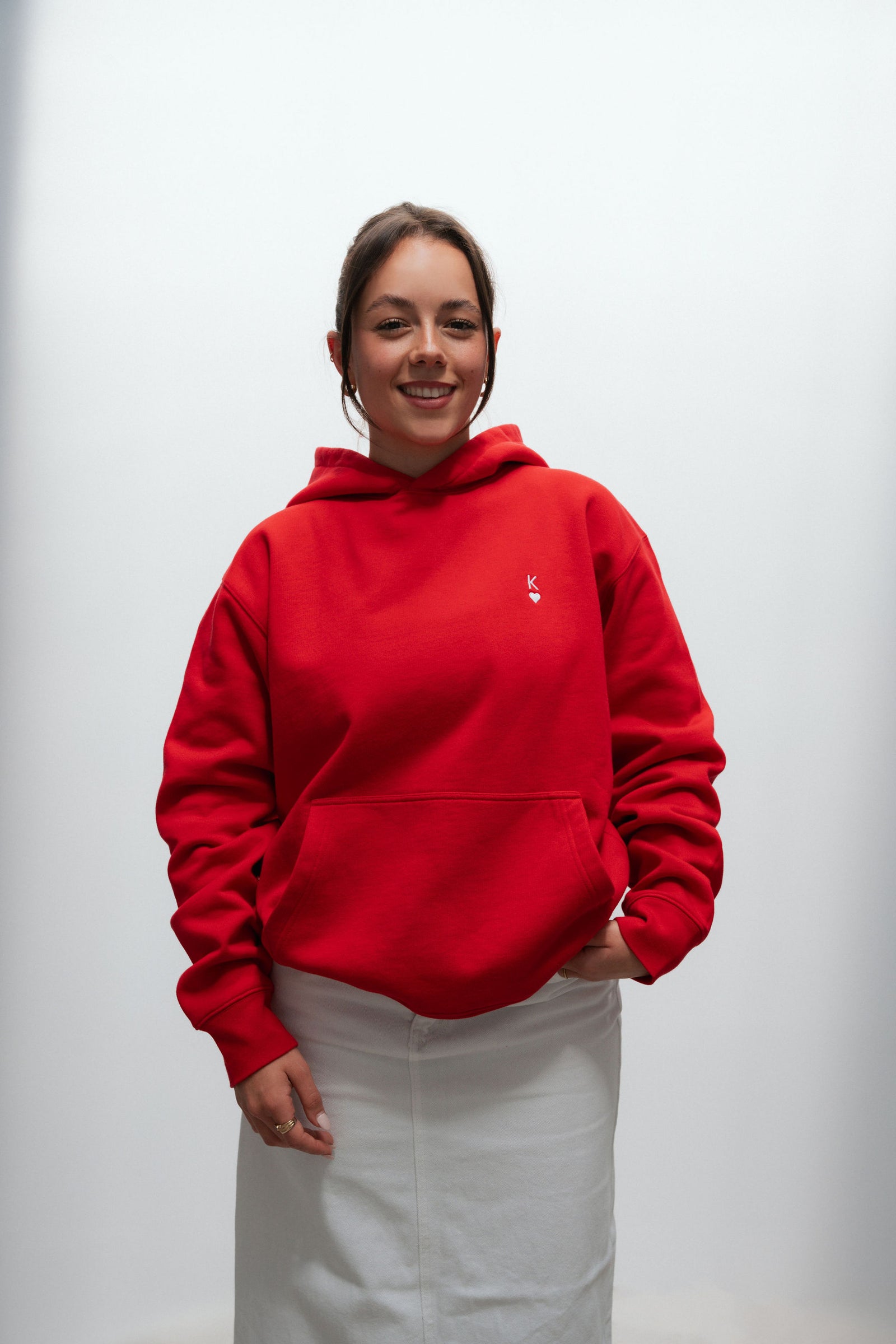
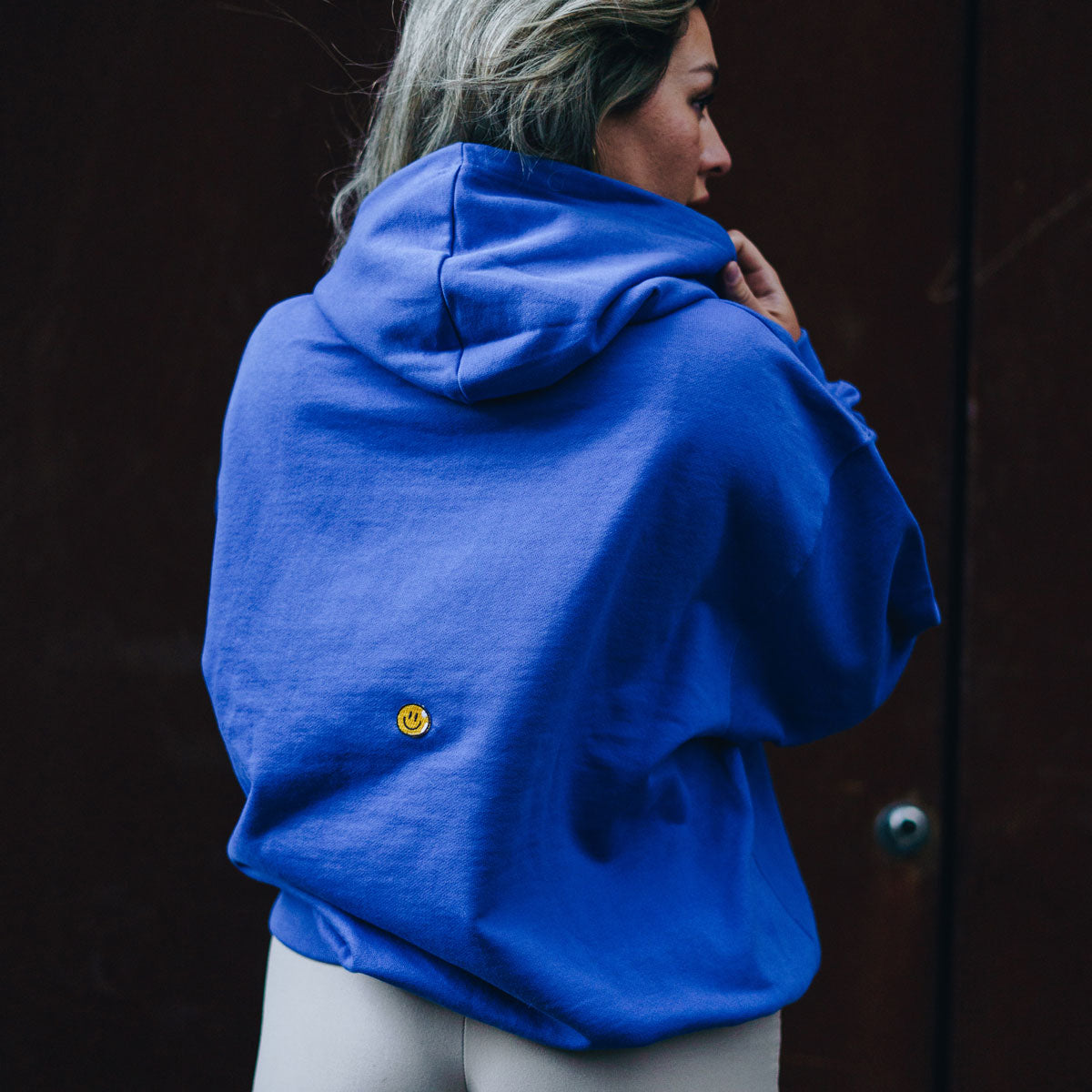
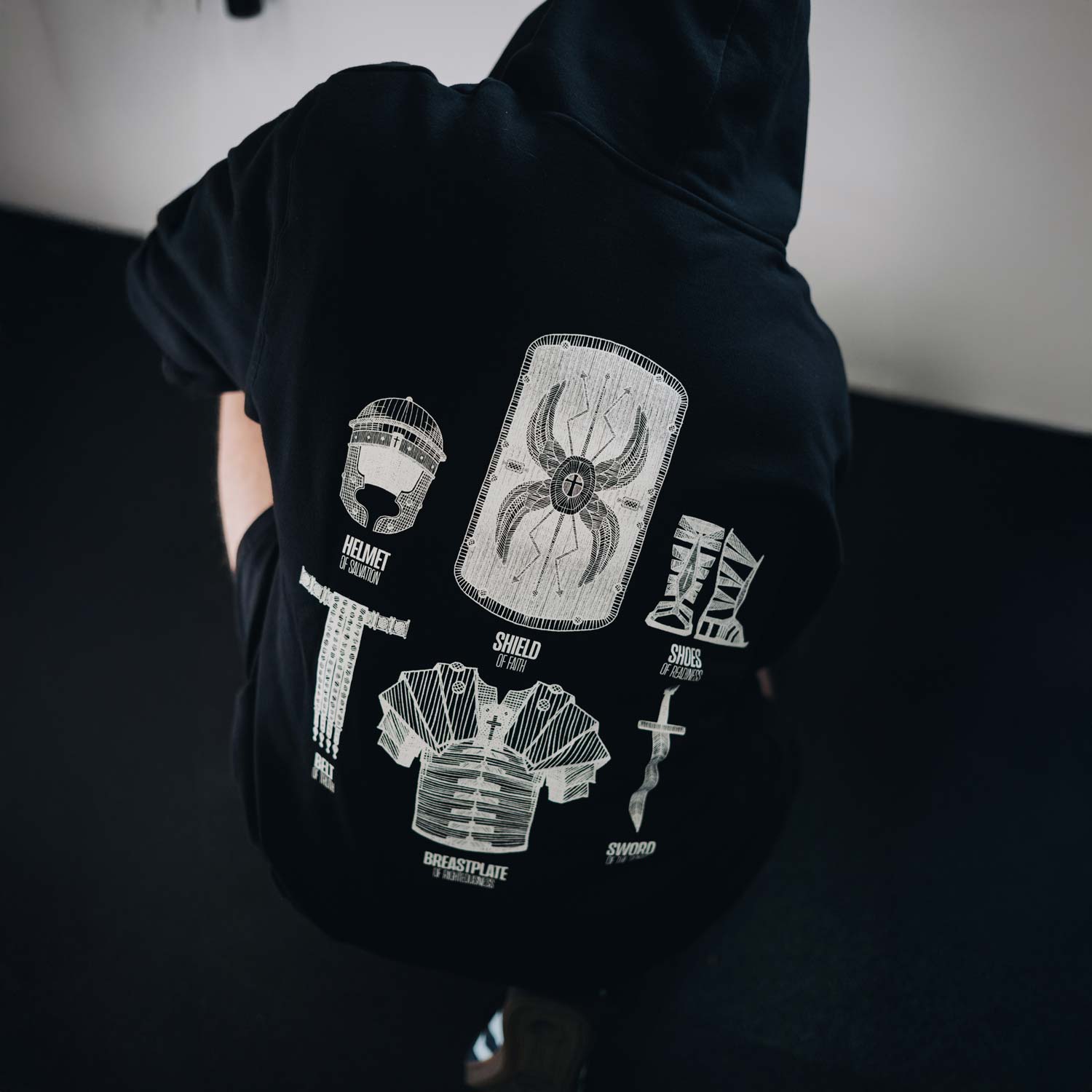
The King Of My Heart Oversized Hoodie weighs 400 g/m², is made from 80% GOTS-certified organic cotton and 20% recycled polyester, and is made in Portugal. 68 €.
View the hoodies ↗3. What stays at home
Everything new, everything light-coloured, everything precious. Camp is not the place for something you have just bought, and exactly the place for clothes that are already a year old. Add white trainers, delicate fabrics like silk or viscose, and anything that is dry-clean only.
If you do need something new, we sometimes have seconds with small flaws. Nobody will see the flaw at a campsite anyway.
4. Keeping clothes dry and clean at camp
Pack by day. One complete set per day, rolled up and put in a bag. It saves rummaging in the tent each morning and shows at a glance whether you have enough.
A bag for dirty laundry. Separate from clean clothes, ideally made of fabric so nothing goes mouldy.
Do not dry things in the tent. Hang wet things on a line during the day and bring them in before the evening dew.
Pre-warm tomorrow’s socks. Take the next day’s pair into your sleeping bag at night so it is warm and dry in the morning.
5. How to wash clothes after camp
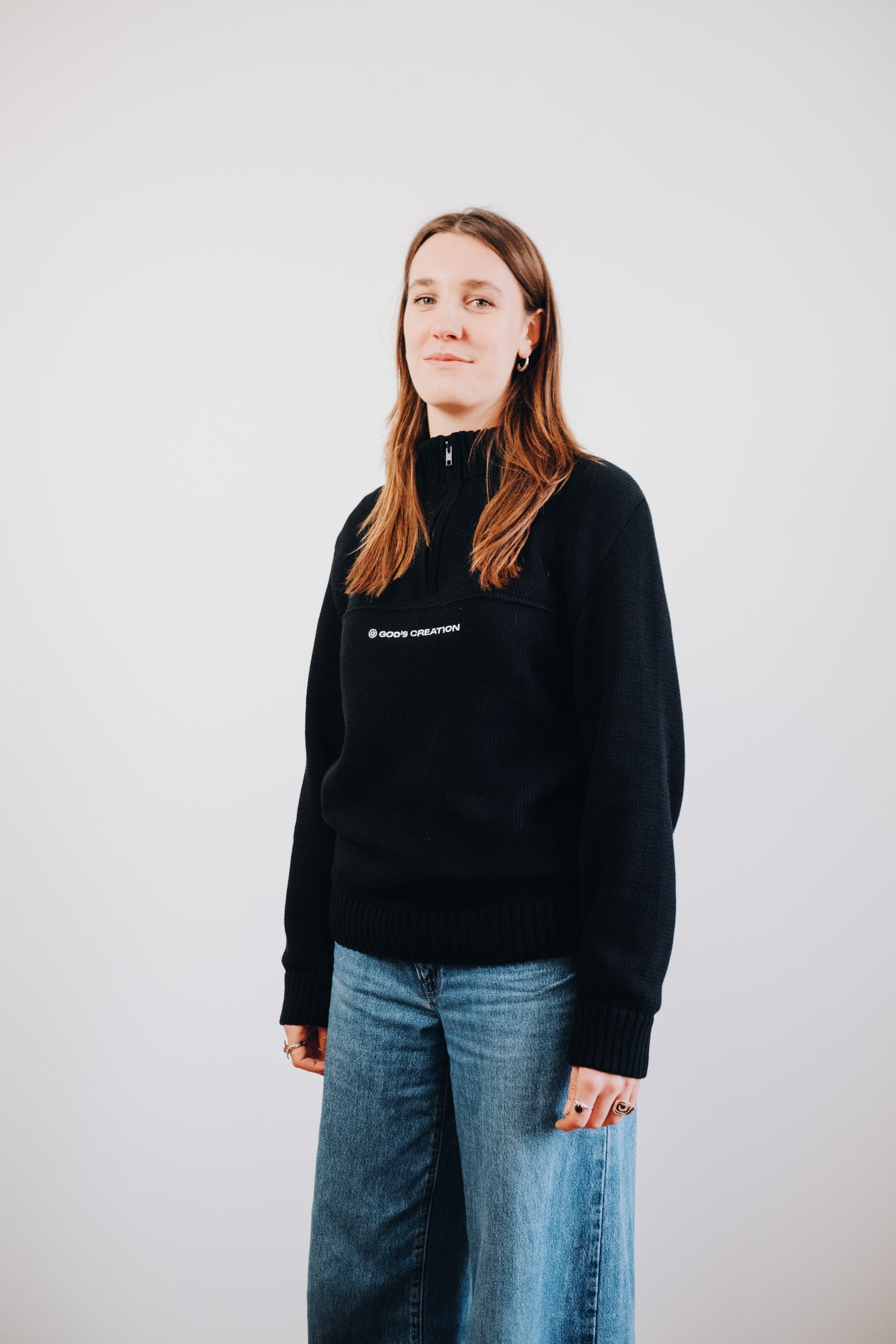
The reflex is to wash everything at 60°C. Better: 30–40°C, inside out, with a little washing soda against odours, then air-dry. Heat ruins prints and elastane more reliably than a week at camp. There is more on this in our article on washing printed shirts.
Campfire smoke often airs out on its own: hang things outside for a day before they go into the machine. For socks, washing them inside out helps, because dirt mostly collects on the inside. The socks from Good-Natured with knitted-in designs, such as the Alpha & Omega socks (12 €), are knitted in Saxony, Germany.
Matching shirts help everyone recognise the team at camp. If you want to make your own, allow about seven to eight weeks with a finished design. All the details are on our B2B page.
Conclusion
Five sturdy tops, two pairs of long trousers, a warm hoodie and lots of socks, in dark colours and solid fabrics: that will get you through a week of camp. Everything new and light stays at home, and afterwards you wash cool rather than hot. If you are looking for long-lasting pieces you will still wear after summer, you will find them at Good-Natured in the Christian Clothing collection. And if you are heading straight from camp to a festival, our festival packing list has you covered.
Frequently asked questions
Can you do laundry at summer camp?
Many camps have no washing machine, but there is almost always a chance to hand-wash. A small bar of soap and a collapsible bowl are enough for socks and underwear. Shirts can be freshened up the same way but need a sunny day to dry.
Should you label your clothes?
Yes, especially for children and teenagers. In shared tents and on the washing line, lots of similar items get mixed up. A laundry-proof textile pen or iron-on name labels save a lot of searching at the end of the week.
What should you wear at night in a tent?
Dry, loose clothes that you have not worn during the day, for example a long-sleeved shirt, jogging bottoms and fresh socks. Damp clothing draws heat from the body, even inside a sleeping bag. On cold nights a hat helps as well.
Which shoes are best for summer camp?
One pair of sturdy trainers or light hiking shoes for field games and trips, plus sandals or pool shoes for showers, the lake and evenings by the tent. Wellies are only worth it if the site is known to be muddy. New shoes should be broken in beforehand.

Knitted in Saxony, Germany, most designs knitted in, such as the Alpha & Omega socks for 12 €.
View the socks ↗