Jeremiah 29:11 is God's promise to people in exile: he has thoughts of peace toward them and will give them a future – but not right away, only after seventy years in a foreign land. So the verse doesn't promise a quick turnaround, but a hope that carries through long seasons of waiting. That is exactly why it remains so powerful for baptisms, confirmations, farewells and new beginnings. At Good-Natured, our Promises line is a reminder of these promises of God – in everyday life, on socks, shirts and posters.
• Wording (KJV): “For I know the thoughts that I think toward you, saith the LORD, thoughts of peace, and not of evil, to give you an expected end.”
• Recipients: Israelites deported to Babylon – a letter from the prophet Jeremiah to the exiles (Jeremiah 29:1).
• Core message: God's plan is good, even if it takes time. The return is announced after seventy years (Jeremiah 29:10).
• Fits: transitions, waiting and new beginnings – baptism, confirmation, moving house, farewells.
What does Jeremiah 29:11 mean?
Around 597 BC, large parts of Jerusalem's upper class were deported to Babylon. Among them were prophets who promised a speedy return. Jeremiah writes a letter saying the opposite: build houses, plant gardens, start families – you'll be staying a long time. And seek the good of the city where you now live, and pray for it (Jeremiah 29:4–7).
Only in this context does the famous verse appear. It isn't a plaster for a brief setback but a promise spanning generations. Most of the people who first heard the letter did not live to see the promised end of their exile themselves – their children and grandchildren did.
The phrase “an expected end” in the King James Version means exactly that: the outcome you are hoping for. More recent translations render the same Hebrew expression as “a future and a hope”.
“For I know the thoughts that I think toward you, saith the LORD, thoughts of peace, and not of evil, to give you an expected end.”
– Jeremiah 29:11 (KJV)
Why the verse is often read too quickly
Jeremiah 29:11 hangs in many living rooms and appears on many graduation cards. What really carries it often gets lost:
It is addressed first to a people, not to one person's career. God speaks to a community in exile. Taking the verse personally is fine – Christians have always read it as an expression of God's character. But it isn't a promise that your own life plan will work out.
It assumes patience. Seventy years is longer than a working life. The hope Jeremiah speaks of isn't shown in the waiting being short, but in it not being meaningless.
It comes with a task for the waiting time. Just before it comes the call to seek the good of the city. Hope here is not passive: you live where you are, responsibly and with open eyes for others.

Jeremiah 29:11 in seasons of waiting
The verse unfolds its power where something isn't good yet: while job hunting, after a breakup, between diagnosis and results, when starting over in a new city. Three thoughts the text itself suggests:
Settle in. Jeremiah doesn't advise sitting on packed suitcases. A time of transition is real life, too.
Do good where you are. Seeking the good of the city today means knowing your neighbours, getting involved and praying for the people around you.
Hold on to the promise. The following verses say that God will be found when you seek him with all your heart (Jeremiah 29:13–14). Hope is a relationship, not a date in the calendar.
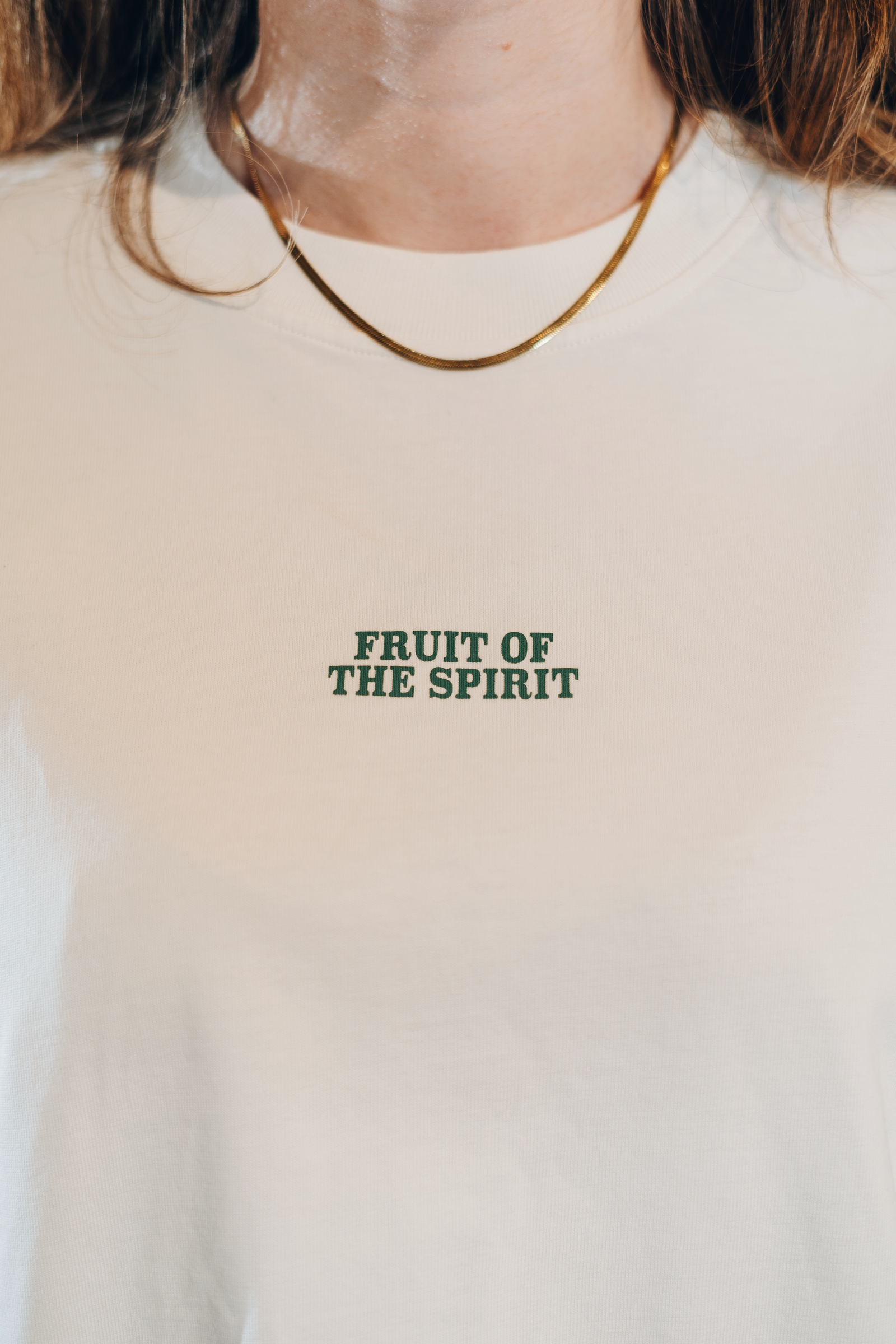
One word that describes exactly this attitude is patience – one of the nine qualities in Galatians 5:22. What they're about is explained in our article on the fruit of the Spirit.
Giving Jeremiah 29:11 as a gift
As a baptism verse, confirmation verse or graduation greeting, Jeremiah 29:11 is a classic – and rightly so, because it fits every transition. So it doesn't come across as a cliché, add a sentence on why you chose it: which season of waiting you see, which new beginning you believe the person can make. If you're giving a baptism gift, you'll find more ideas in our guide What to give for a baptism.
At Good-Natured, the Promises line picks up the idea that God keeps his promises – in every situation. A few examples:


And if you want to pass hope on rather than just wear it: with the Hope in Motion charity shirt for 50 €, the entire profit goes to Begegnung e.V., which has supported children and families in Addis Ababa since 2011.
Conclusion
Jeremiah 29:11 doesn't promise a shortcut but a good outcome – even if the road there is long. Read in context, the verse offers more than a nice saying: a task for the waiting time and a hope that doesn't depend on the calendar. At Good-Natured, the pieces of the Promises line are an everyday reminder that God keeps his word. If you're looking for hope in other passages, Romans 15:13 and Lamentations 3:22–23 are good places to start.
Frequently asked questions
Does Jeremiah 29:11 apply to me personally?
The verse is addressed first to the people of Israel in exile. But Christians have read it personally for centuries – not as a guarantee of a particular life plan, but as an expression of who God is: one who has thoughts of peace toward his people.
Why do some Bibles say “a future and a hope”?
It's the same Hebrew expression in modern language. The King James Version renders it “an expected end” – meaning the good outcome you hope for. Many newer translations write “a future and a hope”.
Is Jeremiah 29:11 a good confirmation or baptism verse?
Yes, it's one of the most popular verses for both occasions. Because it's so well known, it's worth touching on the context in conversation or in the card: the waiting, the call to seek the good of the city, and the promise that God will be found.
What happened after the seventy years?
In 539 BC the Persian king Cyrus conquered Babylon and allowed the exiles to return to Jerusalem (Ezra 1). The Bible sees this as the fulfilment of Jeremiah's announcement (2 Chronicles 36:22–23).

The Promises Vintage Sweater for 55 € is a reminder of God's promises – with an embroidered message and a calm vintage look.
View the sweater ↗